Progress Beginner Intermediate Running:

How to Progress From Beginner to Intermediate Running: 7 Proven, Powerful Steps

Progress Beginner Intermediate Running: it’s the phase where everything starts to feel more serious, more fun, and a lot more rewarding. You’re running regularly, maybe finishing your first events, and now you want to level up without getting injured, overwhelmed, or burned out.

This guide breaks that transition into seven clear, science-backed steps—with a focus on training structure, gear, and technology—so you can move confidently from “new runner” to “intermediate athlete.”

Table of Contents

  1. Step 1 – Define What “Intermediate Runner” Means for You
  2. Step 2 – Build a Smart Weekly Structure Before Adding Speed
  3. Step 3 – Safely Increase Mileage and Intensity
  4. Step 4 – Use Tech, Data, and Apps to Guide Your Progress
  5. Step 5 – Add Strength, Mobility, and Recovery Like a Pro
  6. Step 6 – Upgrade Your Gear and Shoes Strategically
  7. Step 7 – Train Your Mind: The Mental Side of Leveling Up
  8. Sample Weekly Progression From Beginner to Intermediate
  9. Common Mistakes When You Progress Beginner Intermediate Running
  10. Final Tips for a Sustainable, Enjoyable Running Journey

Step 1 – Clarify What “Intermediate” Means When You Progress Beginner Intermediate Running

“Intermediate runner” is not a formal category, but when you Progress Beginner Intermediate Running, it helps to use clear benchmarks so you know where you stand. Think of “intermediate” as a combination of consistency, volume, and control—not just speed.

For most people, you can consider yourself moving toward intermediate if you:

– Run 3–4 times per week most weeks
– Accumulate 15–25 km (9–15 miles) per week or more
– Can comfortably run 30–45 minutes without stopping
– Have finished at least one 5k or similar distance event
– Are beginning to care about pace, structure, and specific goals

You don’t need to hit all of these perfectly. They’re signposts, not rules. The key is that you’re moving from “I just hope I can finish” to “I want to improve on purpose.”

Progress Beginner Intermediate Running: Why a Clear Identity Shift Matters

When you label yourself a “runner,” you start behaving like one. The same is true when you Progress Beginner Intermediate Running to an intermediate phase.

Intermediate runners typically:

– Plan their weeks instead of running randomly
– Train by effort, pace, or heart rate—not just distance
– Use some type of log, app, or wearables to track progress
– Understand easy vs. hard days and rest

Framing yourself as an intermediate-in-training helps you make better decisions: you’ll think in terms of seasons, cycles, and long-term development instead of chasing every shiny workout you see on social media.

Step 2 – Build a Weekly Structure Before You Chase Speed

Before you obsess over intervals or race paces, you need a weekly “skeleton” that can support more work. Progress Beginner Intermediate Running successfully means organizing your training like a mini-program rather than random runs.

A solid intermediate-style week typically includes:

– 2–3 easy runs
– 1 long run
– 1 quality or “hard” session (once your base is ready)
– 1–2 strength or mobility sessions
– 1–2 rest or active recovery days

The exact mix depends on your goals, injury history, and schedule, but the pattern—easy base, one harder focus, one longer run—remains consistent.

From Beginner Chaos to Intermediate Structure

Many beginners run the same loop at the same pace three times per week. That works for a few months, then progress stalls. To Progress Beginner Intermediate Running, change the purpose of each run:

– Easy Run: conversational pace; primary goal is aerobic endurance and recovery
– Long Run: slightly longer, still easy; builds durability and confidence
– Quality Session: adds stimulus (speed, tempo, hills) once you have base mileage

A simple structured week for a newer intermediate might look like:

– Monday – Rest or cross-train
– Tuesday – Easy run (30–40 minutes)
– Wednesday – Strength training + optional easy jog
– Thursday – Quality session (e.g., intervals or tempo)
– Friday – Rest or short easy run
– Saturday – Long run (45–75 minutes)
– Sunday – Easy recovery run or cross-training

This structure prevents you from doing hard runs back-to-back and gives your body predictable patterns to adapt to.

Step 3 – Progress Beginner Intermediate Running With Safe Mileage and Intensity Increases

To truly Progress Beginner Intermediate Running, you need both more volume and some intensity. But how you add them makes the difference between breakthroughs and overuse injuries.

Respect the “No Hero Jumps” Rule

The classic “10% rule” (don’t increase distance by more than 10% per week) is a decent guideline, but it’s not magic. Better: use “no hero jumps.”

– Avoid sudden increases of 30–50% in a single week
– Keep big jumps reserved for special occasions and dial back the next week
– Use 3–4 weeks of gradual build, then 1 week of slight cutback

A simple four-week pattern:

– Week 1: 15 km total
– Week 2: 17 km
– Week 3: 19 km
– Week 4: 14–16 km (cutback)

This microcycle approach lets your body bank adaptations instead of accumulating fatigue.

Layering Intensity: From Strides to Intervals

Intensity should be layered, not slammed in overnight. When you Progress Beginner Intermediate Running, follow this hierarchy:

1. Strides (first 2–4 weeks)
– 4–6 × 20–30 seconds fast, with full easy recovery
– Done at the end of an easy run
– Focus on relaxed speed and form, not all-out sprinting

2. Tempo or “steady” efforts (next phase)
– 10–20 minutes at a comfortably hard effort
– You can speak short phrases but not full sentences
– Builds lactate threshold and mental toughness

3. Intervals (after consistent tempo work)
– Examples: 6 × 400m, 5 × 800m, or 3 × 1 km
– Run at 5K–10K effort, with easy jog recoveries
– Introduce once per week at most

Remember: the goal is not to destroy yourself in one workout. It’s to stack small, repeatable stress that moves you forward week after week.

For common mistakes that stall your progression, including doing too much too soon, see resources like Running Mileage Progression Mistakes: 7 Shocking Proven Risks and compare them against your current habits.

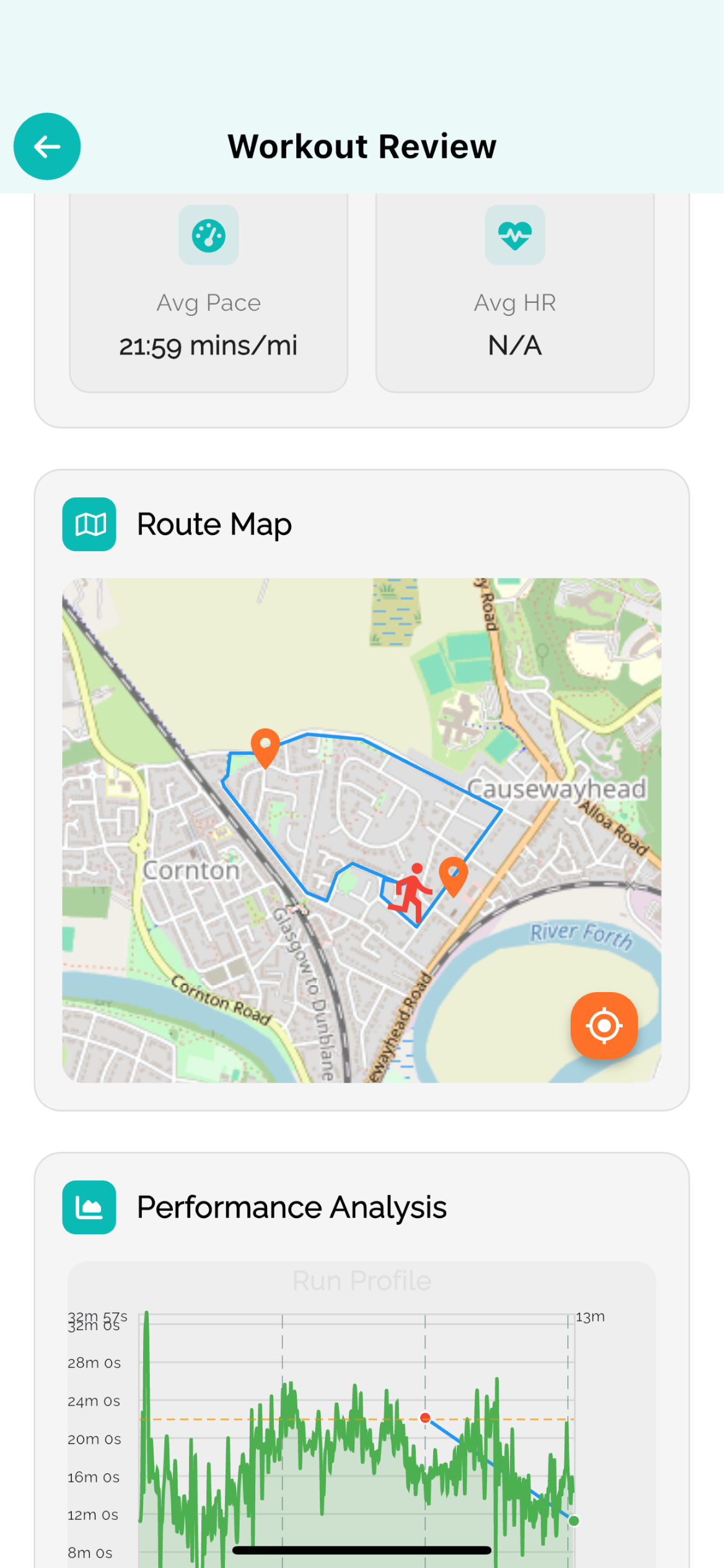
Step 4 – Use Tech and Apps to Progress Beginner Intermediate Running With Data

When you Progress Beginner Intermediate Running, technology becomes much more than a toy; it’s a powerful coaching tool. You don’t need every gadget, but a smart setup can speed learning and reduce guesswork.

Core Devices for the Emerging Intermediate Runner

Consider these tiers:

Essential
– GPS watch or phone app for distance, pace, and time
– Basic heart-rate tracking (watch, chest strap, or optical sensor)

Helpful
– Cadence tracking (steps per minute)
– Foot pod or advanced metrics for form analysis

Advanced
– Running power metrics
– Next-gen wearables that track recovery, HRV, and sleep stages

As budget wearables evolve, they’ve become surprisingly capable. Many mid-range devices now rival high-end watches in metrics and insights, making data-driven training more accessible.

Using Apps and Data to Make Better Decisions

Here’s how to use data without becoming a slave to it:

– Monitor weekly volume and avoid wild fluctuations
– Track resting heart rate trends as a fatigue or illness signal
– Use pace and heart rate zones to control easy vs. hard efforts
– Log subjective notes (how you felt, stress, sleep)

Over time, you’ll see patterns: what long run distance starts to tire you out, how many hard sessions per week you tolerate, and which shoes or surfaces reduce niggles.

Apps with dynamic planning features can adjust your schedule in real time based on performance trends, skipped runs, or fatigue markers, helping you stay in the sweet spot between undertraining and overtraining.

Step 5 – Add Strength, Mobility, and Recovery to Your Progress Beginner Intermediate Running Plan

You can’t Progress Beginner Intermediate Running on mileage alone. As you increase volume and intensity, the “support systems” become essential: strength, mobility, and deliberate recovery.

Strength Training: The Intermediate Advantage

Two short weekly strength sessions can dramatically reduce injury risk and improve running economy. Focus on:

– Squats (bodyweight, goblet, or barbell)
– Lunges and split squats
– Hip hinges (deadlifts, Romanian deadlifts)
– Calf raises (both bent- and straight-knee)
– Core stability (planks, side planks, dead bugs)

Keep most sets in the 6–12 rep range, with controlled form and full range of motion. On heavy leg days, avoid intense running sessions; schedule strength work after easy runs or on separate days.

Mobility and Prehab for the Transition Phase

Intermediate-style training demands more from your joints and soft tissues. Buffer that load with 5–10 minutes of targeted work most days:

– Ankles: calf stretches, ankle circles, eccentric calf raises
– Hips: hip flexor stretches, glute activation, band walks
– Hamstrings and quads: dynamic leg swings, gentle post-run stretching

Think of mobility as maintenance: it keeps your “movement engine” running smoothly as you add miles and speed.

Recovery: Where the Adaptation Actually Happens

You don’t get fitter from the workout; you get fitter from recovering from the workout.

Key recovery pillars:

Sleep: 7–9 hours per night when possible
Nutrition: protein for repair, carbs to refill glycogen, fluids and electrolytes
Active recovery: easy cycling, walking, or gentle yoga

Plan regular easy or rest days, and understand how deliberate downtime boosts performance. For deeper insight into how these days accelerate progress, check out resources like How Recovery Days Actually Deliver 5 Proven Speed Gains and apply the same logic to your own schedule.

Step 6 – Progress Beginner Intermediate Running by Upgrading Your Gear Wisely

The jump from beginner to intermediate is often when runners start caring more seriously about shoes, apparel, and gadgets. That’s good—if you invest strategically.

Shoes: Rotation and Specialization

Beginners often own just one general-purpose pair. As you Progress Beginner Intermediate Running, consider a small rotation:

1. Daily trainer
– Comfortable, moderately cushioned
– Used for most easy and long runs

2. Lightweight or performance shoe
– Slightly lighter, snappier
– Used for workouts, tempo runs, and races

3. Optional: Trail shoe
– Grippy outsole and protective upper
– For those who run off-road or in bad weather

A rotation can reduce repetitive stress by slightly changing loading patterns and can prolong the life of each pair.

Apparel and Accessories That Actually Matter

You don’t need a closet full of gear, but a few upgrades can make training more consistent:

– Moisture-wicking tops and socks to prevent chafing and blisters
– Weather-appropriate layers (light jacket, gloves, hat)
– A comfortable running belt or vest for phone, keys, and nutrition
– Reflective gear or lights if you run in low light

Intermediate runners also often experiment with fueling (gels, chews) on long runs once distances exceed about 75–90 minutes.

Wearables and Metrics: Don’t Drown in Data

As you lean into tech, remember that not every metric deserves equal weight. Prioritize:

– Distance and time
– Pace by segment (lap, kilometer, or mile)
– Heart rate zones
– Cadence

Use advanced metrics (ground contact time, vertical oscillation, power) as curiosity tools rather than daily performance grades. Over time, you’ll learn which numbers correlate strongly with your best training blocks and race performances.

Step 7 – Train Your Mind to Progress Beginner Intermediate Running

Physical training gets most of the spotlight, but the mental shift is just as important when you Progress Beginner Intermediate Running. Longer sessions, harder efforts, and structured plans demand more from your mindset.

Building Mental Durability

Intermediate training forces you to confront discomfort more regularly: mid-run fatigue, pacing decisions, or getting out the door on tired days. You can develop this capacity:

– Set process goals (e.g., “finish all intervals at controlled effort”)
– Use mantras or short phrases during tough segments
– Practice controlled exposure to discomfort through tempo runs and long finishes

Treat mental toughness like a skill, not a personality trait. Consistency in slightly uncomfortable efforts builds it.

Mindset Shift: From “All or Nothing” to “Long Game”

Beginners often think in binary terms: a run is either “good” or “bad.” Intermediate runners see shades of gray and value “medium” days that quietly build their base.

Adopt these guiding beliefs:

– A 20-minute run done is better than a 60-minute run skipped
– One bad workout doesn’t ruin a training block
– Progress is measured over weeks and months, not single sessions

By reframing expectations, you reduce pressure and improve adherence, which in turn accelerates improvement.

Sample Weekly Progression From Beginner to Intermediate

Below are example weeks showing how you might practically Progress Beginner Intermediate Running. Adjust days and distances to your current level and life obligations.

Phase 1: Solidifying Beginner Base (3 Runs/Week)

Goal: get comfortable running 30–40 minutes, avoid injuries, and establish routine.

– Monday – Rest
– Tuesday – Easy run: 20–30 minutes, relaxed pace
– Wednesday – Rest or light strength (20–30 minutes)
– Thursday – Easy run: 20–30 minutes
– Friday – Rest or cross-training (cycling, brisk walk)
– Saturday – Long run: 30–40 minutes easy
– Sunday – Mobility + optional 10–15-minute jog

Stay in this phase until 30 minutes feels comfortable on most days and weekly volume is steady for at least 4–6 weeks.

Phase 2: Emerging Intermediate (4 Runs/Week)

Goal: add one more run and a touch of quality without losing the easy foundation.

– Monday – Rest or mobility
– Tuesday – Easy run: 30–35 minutes
– Wednesday – Strength: 30–40 minutes (lower body + core)
– Thursday – Easy run + strides: 25–30 minutes, then 4 × 20-sec strides
– Friday – Rest
– Saturday – Long run: 40–55 minutes easy
– Sunday – Easy run: 20–30 minutes

You’ve started to Progress Beginner Intermediate Running by adding frequency and low-risk speed (strides), while long runs slowly extend your durability.

Phase 3: Fully Intermediate Structure (4–5 Runs/Week)

Goal: incorporate a weekly quality session and longer long runs while holding total volume in a safe range.

Example 5-run week:

– Monday – Easy recovery run: 25–35 minutes
– Tuesday – Strength training: 30–40 minutes
– Wednesday – Quality session
– Warm-up: 10–15 minutes easy
– Main set: 4 × 5 minutes at tempo (comfortably hard) with 2 minutes easy between
– Cooldown: 10 minutes easy
– Thursday – Rest or cross-training
– Friday – Easy run: 30–40 minutes
– Saturday – Long run: 60–80 minutes at easy pace
– Sunday – Optional easy run: 20–30 minutes or rest

Monitor fatigue closely in this phase. If you feel constantly drained, reduce either the length of the quality session, the duration of the long run, or drop the optional Sunday run.

For race-specific guidance once you’re handling this load, structured resources like a focused 10k build-up can refine this intermediate template for performance.

Common Mistakes When You Progress Beginner Intermediate Running

Even motivated runners can sabotage progress with a few common errors. Avoid these traps to keep your trajectory smooth and sustainable.

Mistake 1: Doing Everything Fast

Speed feels exciting, but if every run turns into a tempo run, you’ll stall quickly or get hurt. Intermediate runners typically perform 70–85% of their mileage at easy pace. This “gray zone avoidance” lets you go truly hard on workout days and genuinely easy on others.

Mistake 2: Skipping Cutback Weeks

Progress Beginner Intermediate Running is not a straight line. After 3–4 weeks of build, deliberately reduce volume by 15–30% for one week. You’ll feel fresher, reduce injury risk, and often see a fitness jump as your body absorbs prior work.

Mistake 3: Ignoring Early Warning Signs

Don’t push through persistent, localized pain that worsens as you run. Early intervention—backing off volume, cross-training, or seeing a professional—can turn a budding injury into a minor setback instead of a months-long layoff.

Red flags:

– Pain that changes your gait
– Sharp pain that intensifies during runs
– Swelling or tenderness that doesn’t resolve with rest

Mistake 4: Copying Advanced Runners’ Plans

What works for someone running 80 km per week after 10 years of training is not suited for someone at 25 km per week. Use advanced plans as inspiration, not templates. Scale workouts by distance, volume, or total time.

Final Tips for a Sustainable, Enjoyable Progress Beginner Intermediate Running Journey

To wrap it up, here are key principles to keep in mind as you Progress Beginner Intermediate Running:

1. Progress, not perfection
– Aim to be slightly better month over month, not perfect day by day.

2. Consistency beats intensity
– A year of moderate, regular training will outperform a month of hero workouts.

3. Respect recovery
– Sleep, fuel, and rest days are as important as long runs and workouts.

4. Use technology as a coach, not a critic
– Track trends and insights, but don’t let single metrics define your self-worth.

5. Stay curious and adaptable
– As your fitness grows, your needs change; adjust plans, gear, and goals accordingly.

6. Keep the joy front and center
– Explore new routes, run with friends, or mix in trails to keep motivation high.

As you move from beginner to intermediate, you’re not just adding miles—you’re building a more capable, resilient version of yourself. With structured training, smart use of technology, supportive strength and recovery habits, and a long-term mindset, you’ll find that the jump to intermediate isn’t a leap; it’s a steady, powerful climb.

And once you’ve nailed this phase, you’ll be well-positioned to target more ambitious goals—from a faster 5K finish using a focused program like the 5K Training Plan for an Amazing 7-Week Proven Finish, to longer distances and PR-oriented race seasons.

Leave a Reply

Your email address will not be published. Required fields are marked *

wpChatIcon
wpChatIcon