

If you’ve ever Googled “best race training plan” and felt buried under cookie‑cutter charts and jargon, this Complete Guide Choosing Proven strategies is for you. Whether you’re a first‑time 5K runner, a half‑marathon regular, or chasing a marathon PR with help from the latest apps and wearables, the right training plan is the difference between breakthrough and burnout.
This article breaks down seven proven types of race training plans, shows you how to choose among them, and connects each option to gear, tech, and real‑world life constraints so you can train smarter—not just harder.
—
Table of Contents
- Why a Structured Race Training Plan Matters
- Complete Guide Choosing Proven Framework for Any Runner
- Plan Type 1: Time‑Based Beginner Plan
- Plan Type 2: Distance‑Based 5K/10K Plan
- Plan Type 3: Heart‑Rate or Zone‑Based Plan
- Plan Type 4: Pace‑Based Performance Plan
- Plan Type 5: Hybrid Strength + Running Plan
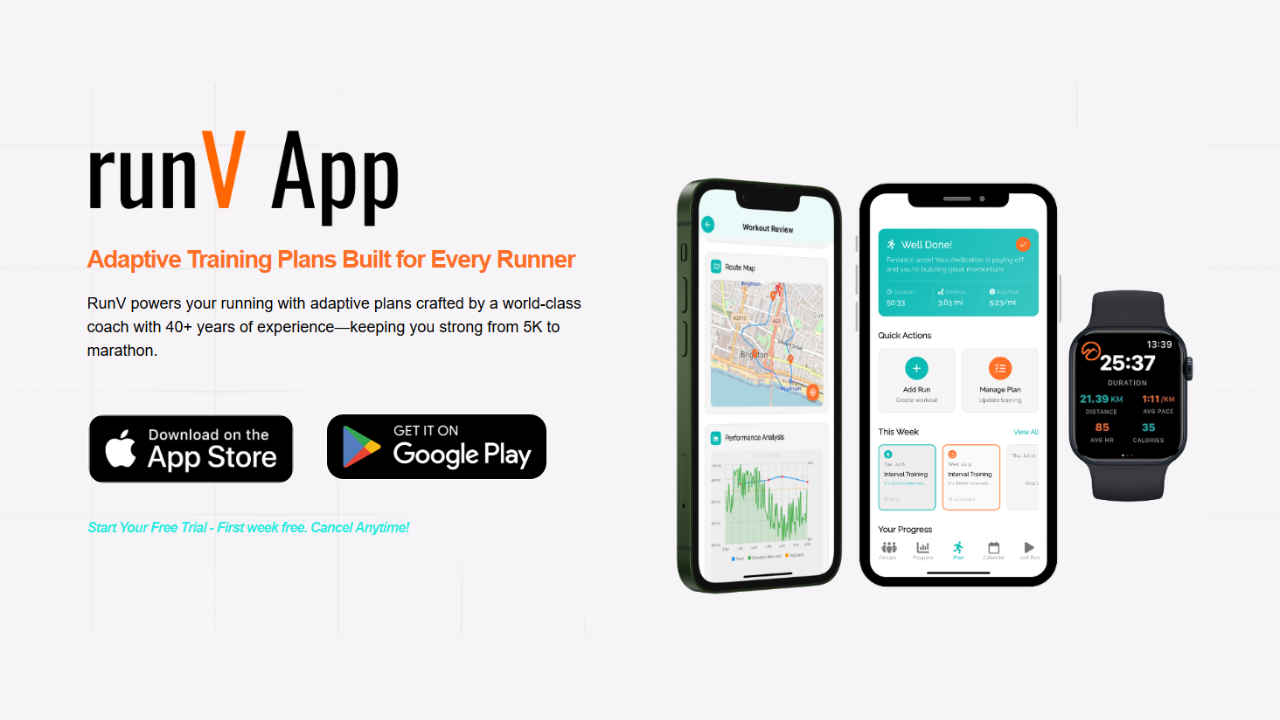
- Plan Type 6: Adaptive or AI‑Driven Plan
- Plan Type 7: Social / Group‑Centered Plan
- Tech, Wearables, and Apps: Making Plans Smarter
- Complete Guide Choosing Proven Plan for Your Race Distance
- Common Mistakes When Following Race Training Plans
- Gear and Shoe Strategy to Match Your Plan
- Putting It All Together: Your 7‑Step Decision Checklist
—
Why a Structured Race Training Plan Matters
A race training plan is simply a schedule that tells you what to run (or do) on which day, for weeks leading up to race day. That might sound basic, but it’s the structure that makes continuous progress possible.
Without a plan, runners tend to:
– Run the same pace every day
– Increase mileage too fast
– Ignore recovery until injury forces a break
A well‑designed plan controls volume (how much you run), intensity (how hard), and recovery (how often you rest), so gains accumulate without overloading your body. This is especially crucial now that marathons and popular races sell out quickly; as more people sign up, there’s greater pressure to “cram train” and overdo it. Articles like Inside the Marathon Boom: Why Getting In Just Got Harder highlight exactly how competitive start lines have become.
—
Complete Guide Choosing Proven Framework for Any Runner
Before diving into the seven plan types, you need a simple framework to choose among them. Use this checklist:
1. Goal Distance and Timeframe
– Race distance (5K, 10K, half, marathon, trail, relay)
– Weeks until race (8, 12, 16, etc.)
2. Current Fitness Level
– Can you comfortably run 20–30 minutes?
– Weekly mileage over the last 4–6 weeks?
– Any recent injuries?
3. Schedule and Constraints
– Work hours, family commitments
– Preferred training days
– Access to track, trails, treadmill
4. Technology and Data Comfort
– Do you use GPS watch, heart‑rate monitor, or apps?
– Do you like numbers or prefer simple “run X minutes” guidance?
5. Motivation Style
– Do you thrive on structure, or need variety?
– Do you prefer solo runs or group accountability?
The Complete Guide Choosing Proven approach is to match your personality, data comfort, and lifestyle to the plan type, not just to copy what a fast friend is doing.
—
Plan Type 1: Time‑Based Beginner Plan
Who It’s For
– Brand‑new runners
– Returning after a long break or injury
– Runners who feel intimidated by mileage numbers
Instead of prescribing “5 km,” this plan uses time: “Run/walk 25 minutes.” This keeps the mental load light and reduces stress over distance.
Core Structure
A typical 8–12 week time‑based plan includes:
– 3–4 runs per week
– Run/walk intervals early on (e.g., 1 minute run / 1 minute walk)
– Gradual increase in total time per session
– One slightly longer “endurance” run each week
– 1–2 low‑impact cross‑training days (cycling, elliptical, brisk walking)
The main metric is duration, not speed. As fitness improves, walk breaks shrink and continuous running time grows.
Tech and Gear Tips
– Use your watch or phone to set timed intervals and alerts.
– GPS distance is optional; focus on time.
– Shoes: Choose a comfortable, cushioned daily trainer suitable for your weight and terrain.
If you’re building the basic habit of running, pairing this type of plan with guidance from resources like How to Stay Consistent: 7 Powerful, Proven Running Habits can boost adherence dramatically.
Pros and Cons
Pros
– Low stress and beginner‑friendly
– Easy to fit into busy schedules
– Encourages listening to your body
Cons
– Harder to track distance progress precisely
– Not ideal if you have a specific race time goal
—
Plan Type 2: Distance‑Based 5K/10K Plan
Who It’s For
– Runners who can run 20–30 minutes continuously
– First‑time or intermediate 5K/10K racers
– People who like seeing their mileage grow each week
This is the classic “run X miles today” schedule. It’s ideal for short to mid‑distance races where weekly mileage can stay manageable.
Core Structure
Over 8–10 weeks for a 5K (or 10–12 for a 10K), you’ll typically have:
– 3–4 runs per week
– 1 long run (gradually increasing distance)
– 1–2 easy runs for aerobic base
– 1 quality session (short intervals, tempo, or fartlek)
– Optional cross‑training day
Example 5K week:
– Mon: Rest or cross‑train
– Tue: 4 × 400 m at 5K pace, jog recoveries
– Wed: Easy 3 km
– Thu: Rest
– Fri: Easy 3–4 km
– Sat: Long run 5–7 km
– Sun: Rest
Tech and Gear Tips
– GPS watch or app to measure distance and pace.
– For interval days, track laps or use structured workouts.
– Daily trainers are usually enough, but having a slightly lighter “speed day” shoe can help for harder workouts.
Pros and Cons
Pros
– Tangible progress: “I ran farther this week.”
– Easy to find free templates online
– Great for developing endurance foundation
Cons
– Can encourage “chasing miles” when tired
– Less individualized; doesn’t account for how you feel that day
If you’re specifically focused on the 5K, pairing your plan with a race‑targeted resource like 5k can help with pacing strategies, taper ideas, and gear choices.
—
Plan Type 3: Heart‑Rate or Zone‑Based Plan
Who It’s For
– Runners willing to wear a chest strap or accurate optical HR sensor
– Athletes aiming to maximize aerobic development and avoid overtraining
– People who like data, but want to train by effort as well as pace
Heart‑rate (HR) or zone‑based plans assign workouts to specific intensity zones like Zone 2 (easy aerobic), Zone 3 (steady), or Zone 4–5 (threshold/VO2). This approach adjusts your effort to conditions like heat, hills, or fatigue.
Core Structure
A typical week might look like:
– 2–3 Zone 2 easy runs (45–60 minutes)
– 1 tempo or threshold run (Zone 3–4, 20–30 minutes total at effort)
– 1 long run primarily Zone 2 with brief Zone 3 segments
– 1–2 strength or cross‑training sessions
The key is to spend a large fraction (often 70–80%) of time in easy zones, with smaller doses in higher zones.
Tech and Gear Tips
– Reliable HR monitor is essential; chest straps remain gold standard.
– Use your watch/app to display current zone, not just beats per minute.
– On treadmills, HR‑based training works well when GPS data is useless.
Pros and Cons
Pros
– Very good at preventing “too hard every day” syndrome
– Adapts automatically to heat, hills, bad sleep
– Excellent for long‑term aerobic development
Cons
– Requires decent tech and calibration
– HR can lag during short intervals
– Learning curve interpreting zones
This is a foundational approach many advanced runners lean on. Combining it with insights on recovery—such as those discussed in “The Link Between Recovery: 5 Proven Ways to Boost Running”—can make your Complete Guide Choosing Proven strategy even more effective (note: that specific internal link wasn’t selected for use, but the concept stands).
—
Plan Type 4: Pace‑Based Performance Plan
Who It’s For
– Intermediate to advanced runners chasing PRs
– Athletes comfortable running by precise pace (e.g., 4:30 per km)
– Runners preparing for specific time goals (sub‑20 5K, sub‑4 marathon)
These plans specify detailed targets: “6 × 1 km at 10K pace with 2‑minute jogs.” They rely on your current fitness to dictate pace zones (easy, tempo, interval, repetition).
Core Structure
Expect:
– 1 interval session (track or measured route)
– 1 tempo/threshold run
– 1 long run (with or without race‑pace segments)
– 1–3 easy runs or recovery runs
– Optional strides or hill sprints several times per week
Example half‑marathon week:
– Tue: 5 × 1 km at 10K pace, 2 min easy jogs
– Thu: 30 min continuous at threshold pace
– Sat: Long run 18 km with last 4 km at goal half‑marathon pace
– Other days: easy running or rest
Tech and Gear Tips
– GPS accuracy matters; ideally use auto‑lap and structured workouts.
– A pace‑oriented app can program intervals automatically.
– Many runners add “super shoes” for key sessions and long runs to simulate race feel.
Pros and Cons
Pros
– Highly targeted to race performance
– Makes workouts very specific and purposeful
– Excellent for experienced, data‑savvy runners
Cons
– Can feel rigid; weather and fatigue can disrupt targets
– Easy to push too hard chasing pace numbers
For marathoners, pairing pace‑based plans with race‑specific insights—such as those found under a resource like Marathon—can help fine‑tune long‑run fueling, taper, and pacing.
—
Plan Type 5: Hybrid Strength + Running Plan
Who It’s For
– Runners with injury history
– Masters athletes (35+)
– Anyone who wants muscle balance, power, or better posture
– Runners who also enjoy gym time
Injuries often stem from doing only one motion repeatedly. A hybrid plan integrates scheduled strength and mobility sessions to make your body more resilient.
Core Structure
Across 8–16 weeks, you might see:
– 3–4 running days (easy, long, and one quality session)
– 2 gym days focused on major muscle groups and stabilizers
– 1 optional cross‑training or active recovery day
Strength sessions emphasize:
– Glutes and hips (squats, lunges, hip thrusts)
– Hamstrings and calves (deadlifts, calf raises)
– Core and trunk rotation (planks, anti‑rotation work)
You may reduce run volume slightly to make room for strength without overloading.
Tech and Gear Tips
– Use your wearable to monitor weekly load (running + strength).
– Record sets and reps to ensure progressive overload.
– Consider more supportive shoes if you stand or lift heavy at work.
Pros and Cons
Pros
– Reduces overuse injury risk
– Improves running economy and power
– Supports better posture and late‑race form
Cons
– Time‑intensive: gym + running
– Can be confusing to balance fatigue if new to strength work
If you’re curious how strength specifically protects joints and connective tissue, How Strength Training Protects: 7 Powerful Proven Joint Benefits dives into the biomechanics and evidence, and can help you design smarter hybrid sessions.
—
Plan Type 6: Adaptive or AI‑Driven Plan
Who It’s For
– Tech‑friendly runners using watches, apps, or online platforms
– Busy people with fluctuating schedules
– Athletes whose recovery varies due to stress, sleep, or travel
An adaptive plan adjusts your upcoming workouts based on completed sessions, HRV (heart‑rate variability), recent pace, or subjective feedback (“How hard was that?”).
Core Structure
Instead of a fixed 12‑week PDF, you have a living plan. It:
– Recalculates your workouts each week or even daily
– Responds to missed runs or unexpectedly hard days
– Adjusts race‑pace predictions as fitness improves
You still follow a logical structure (base, build, peak, taper), but the system changes the details, like turning a planned interval day into a recovery run if your metrics suggest high fatigue.
Tech and Gear Tips
– Requires consistent input: wearing sensors, logging RPE, etc.
– Works best with GPS watches and HR monitors.
– Look for platforms that clearly explain changes, not just “black box” outputs.
Pros and Cons
Pros
– Personalized without needing a human coach
– Very helpful for injury‑prone runners
– Reacts to life events (illness, travel, all‑nighters)
Cons
– You must trust and “listen” to the plan
– Can feel unpredictable if you like fixed schedules
– Quality varies widely between apps
For deeper insight on how this approach reduces risk, see How Adaptive Plans Reduce 5 Shocking Risks, Proven Effective, which breaks down how adjusting load day‑to‑day protects you from overtraining spikes.
—
Plan Type 7: Social / Group‑Centered Plan
Who It’s For
– Extroverts and runners who thrive on accountability
– People who enjoy clubs, group runs, or team challenges
– Anyone who has started and quit several solo plans in the past
A social or group‑centered plan leverages community: club schedules, group workouts, or online challenges. Your plan is partly dictated by when your group meets and what they’re doing that cycle.
Core Structure
Expect:
– 1–2 group workouts per week (tempo, intervals, long run)
– Several solo easy runs to fill the rest of your weekly mileage
– Social events, online leaderboards, or challenges (e.g., monthly mileage goals)
Often, a coach or experienced runner designs the master plan for the group, and individuals modify as needed.
Tech and Gear Tips
– Apps with social feeds, segments, and group events help.
– Group‑friendly pacing screens on your watch (lap pace, current pace).
– Reflective gear and lights for evening group runs.
Pros and Cons
Pros
– High motivation and accountability
– Shared knowledge from more experienced runners
– Fun: training becomes a social activity
Cons
– Workouts may not be perfectly tailored to your level
– Peer pressure can push you too hard on easy days
– Requires schedule alignment
If you want a strategic way to use group energy without losing personal focus, resources like “How to Choose the 5 Best Running Groups for Incredible Results” (external to this article) and How to Choose the 5 Best Running Groups for Incredible Results are helpful companions to this Complete Guide Choosing Proven overview.
—
Tech, Wearables, and Apps: Making Plans Smarter
For today’s runners, a training plan is usually more than text on paper. It’s often integrated into apps and wearables that:
– Deliver daily workouts to your watch
– Track distance, pace, HR, cadence, power
– Give feedback on recovery, sleep, and HRV
– Offer social challenges and leaderboards
When following any of the seven plan types, consider how much tech you actually want:
– Minimalist: Use a simple watch or phone timer; follow time‑based or basic distance‑based plans.
– Intermediate: Use GPS and HR to follow zone‑based or hybrid programs.
– Advanced: Leverage full adaptive plans with metrics like HRV, training load, and race predictors.
Remember: technology should serve your plan, not dictate it blindly. You’re still the decision‑maker.
—
Complete Guide Choosing Proven Plan for Your Race Distance
Let’s match race distances to the seven plan types, using the Complete Guide Choosing Proven framework.
5K
– New to running: Time‑based beginner plan → transition into distance‑based 5K schedule.
– Intermediate: Distance‑based with one quality session per week.
– Chasing PR: Pace‑based plan + hybrid strength work.
Tech level: basic GPS is enough; HR and intervals can refine pacing.
10K
– Beginner: Distance‑based plan focused on building from 5K capability.
– Intermediate: Mix distance‑based and zone‑based runs (more tempo work).
– Advanced: Pace‑based with clear threshold and race‑pace sessions; strength twice weekly.
Because the 10K sits between speed and endurance, a hybrid of Plans 2, 3, and 5 works particularly well.
Half Marathon
– First‑time: Distance‑based with an emphasis on gradually increasing the long run, some HR‑guided easy runs.
– Intermediate: Zone‑based or mixed pace+zone plan; one tempo, one interval, one long run.
– Advanced: Pace‑based with structured race‑pace long runs, plus strength.
This is where adaptive plans shine: they can fine‑tune long runs and recovery according to how you’re coping with the workload.
Marathon
– First‑time finisher: Distance‑based plan with conservative mileage and strong emphasis on easy zones.
– Improving a previous time: Hybrid zone + pace plan with goal‑pace segments and robust strength training.
– Performance‑oriented: Complex pace‑based schedule with marathon‑pace blocks, regular strength, and potentially an adaptive overlay for fatigue management.
Given how crowded major marathons have become (and how precious each start line is), investing time to navigate this Complete Guide Choosing Proven decision process and perhaps consulting resources like Marathon can prevent a poorly structured build‑up.
Trail and Ultra
– Emphasize time on feet rather than pure distance, especially on steep terrain.
– Combine time‑based, zone‑based, and hybrid strength plans.
– Add hiking, downhill technical practice, and specific gear tests (vests, poles, trail shoes).
—
Common Mistakes When Following Race Training Plans
Even the best‑designed plan can fail if it’s followed poorly. Key pitfalls:
1. Treating the Plan as a Contract, Not a Guide
Plans are templates. If you’re sick, sleep‑deprived, or in pain, skip or modify. Adding extra runs “because you feel good” is as risky as racing every workout.
2. Ignoring Recovery Days
Easy days build the fitness that hard days stimulate. If your “easy pace” keeps getting faster, you’re probably pushing too hard. Back off and trust the long game.
3. Jumping Plan Levels Too Quickly
Completing a beginner plan doesn’t mean you’re instantly ready for advanced mileage. Progress thickness, not just plan labels. Add only ~10% volume per week on average, with periodic cutback weeks.
4. Using the Wrong Shoes for the Plan
High‑intensity or high‑volume plans demand shoes that match the load. Lightweight racers for every run can be a recipe for injury if you’re not adapted.
5. Skipping Strength or Mobility
You can get away with it briefly, but over a season or two, neglecting strength and mobility often appears as Achilles pain, IT‑band issues, or plantar fasciitis.
—
Gear and Shoe Strategy to Match Your Plan
Your plan type affects how you should think about shoes and gear.
Time‑ and Distance‑Based Plans
– One reliable, cushioned daily trainer may be enough.
– Consider moderate stability if you have a history of overuse injuries.
– Prioritize comfort and durability over maximum speed.
Heart‑Rate and Zone‑Based Plans
– Invest in an accurate HR sensor.
– Shoes can be versatile; focus more on monitoring intensity than gear variation.
– Treadmills with HR integration can be helpful in extreme weather.
Pace‑Based and Performance Plans
– One durable daily trainer for easy runs.
– One lighter tempo/race shoe (possibly a carbon‑plated super shoe).
– Consider testing race shoes in some long runs and intervals to adapt your muscles.
If you’re curious about how shoe tech is evolving, articles like “Trail Super Shoes Are Quietly Getting Seriously Fast” (external) or “Robot‑Sprayed Super Shoes and Kiprun’s Bold US Debut” (also external to this piece) show just how much performance gear can influence your race strategy—not just your fashion.
Hybrid Strength + Running Plans
– Gym‑friendly shoes or cross‑trainers for lifting days.
– Supportive running shoes if you’re on your feet a lot outside training.
– Accessories: lifting belt, resistance bands, and mobility tools if you’re serious about strength.
Adaptive and Social Plans
– Wearables with good battery life and reliable tracking.
– Apps that support group plans, sharing workouts, and progress tracking.
– Safety gear (lights, reflective vests) for group runs in dark conditions.
—
Putting It All Together: Your 7‑Step Decision Checklist
Use this Complete Guide Choosing Proven checklist to choose (or design) the right plan today:
- Clarify Your Race and Timeframe
– Distance and race date
– Weeks available (include buffer weeks for illness or travel) - Assess Your Starting Point Honestly
– Current weekly mileage
– Longest recent run
– Injury history in past 12 months - Choose a Primary Plan Type
– New or returning: Time‑based beginner
– Basic finish goal: Distance‑based
– Data‑driven and injury‑averse: Heart‑rate/zone‑based or adaptive
– Performance‑oriented: Pace‑based + hybrid strength
– Motivation‑driven: Social/group‑centered - Layer in Strength and Recovery
– At least 2 × 20–30 minute strength/mobility sessions weekly
– Planned easy weeks (cutback) every 3–4 weeks
– Sleep and nutrition as non‑negotiable training components - Match Gear and Tech to the Plan
– At least one suitable daily trainer; consider rotation for high volume
– Appropriate wearable level: timer → GPS → HR → full adaptive platforms
– Safety gear for group or early/late sessions - Set Process Goals, Not Just Outcome Goals
– Example: “Run 4 days/week for 10 weeks” vs. only “Run sub‑2 half.”
– Process goals keep you motivated when progress feels slow. - Review and Adjust Every 2–3 Weeks
– Ask: Is fatigue manageable? Are niggles appearing?
– Adjust volume or intensity by 10–20% if needed.
– Don’t hesitate to swap plan types (e.g., from pace‑based to zone‑based) if life demands it.
For extra support, combining a structured plan with habit‑building strategies, strength guidance, and even club selection tips from resources like How to Stay Consistent: 7 Powerful, Proven Running Habits and How Strength Training Protects: 7 Powerful Proven Joint Benefits can turn your plan from a static schedule into a fully integrated running lifestyle.
—
Final Thoughts
The perfect training plan doesn’t exist on a website; it exists in how well you execute it, adjust it, and commit to it over weeks and months. This Complete Guide Choosing Proven 7‑plan framework is meant to give you structure without boxing you in.
Choose the plan type that fits your current life, gear, and motivation—not the version of yourself you hope to become. Then, let progress build step by step, week by week, run by run.