Training 7 min
16 week marathon training plan for a 3:30 goal

A 16-week plan can get you to a 3:30 marathon if you're already running 25-30 miles per week. You'll need two quality workouts weekly, a long run building to 18-20 miles, and consistent effort across speed, tempo and threshold work.
Who is this plan for?
This plan suits runners who've completed a marathon before or have solid base fitness. You should be comfortable running 5-6 days a week and already logging 25-30 miles weekly. A 3:30 finish requires an average pace of 8:01 per mile, so you need to be able to sustain sub-8-minute efforts for extended periods.
What weekly structure works best?
The 16 weeks break into three phases: base build (weeks 1-5), strength and speed development (weeks 6-11), and taper plus race prep (weeks 12-16). Each week contains two quality sessions plus a long run, with easy runs filling the gaps.
- Monday: easy run or rest
- Tuesday: tempo or threshold work (6-10 miles including 4-6 miles at goal pace)
- Wednesday: easy run (5-7 miles)
- Thursday: speed work—intervals, repetitions or fartlek (6-8 miles including 4-5 miles hard)
- Friday: easy run (5-7 miles)
- Saturday: easy run or second easy day
- Sunday: long run building from 12 to 20 miles
How should your long run progress?
Build gradually to avoid injury. Increase by roughly one mile a week, with the odd cutback week, until week 11, when your longest run hits 20 miles. From week 12 onward, drop back to 12-14 miles to recover before race day. Run long runs at 30-45 seconds slower than goal marathon pace—around 8:30 to 8:45 per mile.
What pace targets matter?
- Goal marathon pace: 8:01 per mile
- Tempo/threshold pace: 7:30 to 7:45 per mile (comfortably hard)
- VO2 max interval pace: 6:50 to 7:10 per mile (5K race effort)
- Easy pace: 9:00 to 9:30 per mile (conversational)
Sample weeks across the plan
Early weeks emphasise building volume and aerobic foundation. Mid-block weeks layer in speed and strength. Late weeks shift to race-specific pace work and mental rehearsal. A typical week 6 might feature 8 miles of tempo on Tuesday, 6 miles of 800m repeats on Thursday, 12 miles long on Sunday, plus three easy runs totalling 16-18 miles.
How to handle the final four weeks
Weeks 13-16 cut volume by 20-40% whilst maintaining intensity. Do one tempo or goal-pace workout and one shorter speed session each week, but reduce reps and duration. This taper lets your body recover, rebuild glycogen stores and arrive at the start line fresh. Week 16 becomes very light: 20-30 minutes easy running only, with a short 10-minute shakeout run two days before race day.
Why data and feedback matter
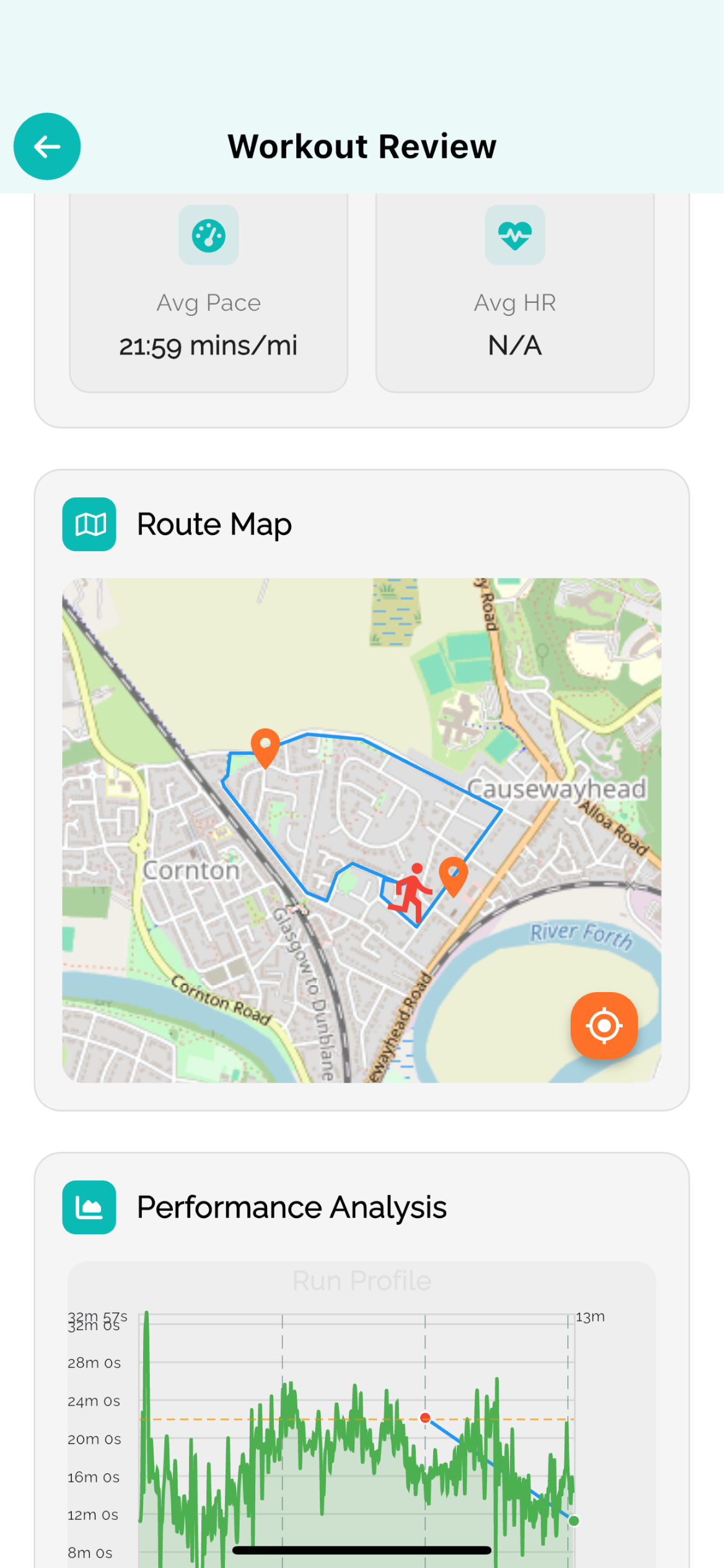
A rigid plan suits some, but runners improve fastest when they adapt based on how their body actually responds. Tracking weekly mileage, heart rate, perceived effort and how you feel mid-run reveals patterns: maybe you need an extra easy day, or your paces need tweaking based on recent race times. Tools like RunV use this real-time feedback to adjust your daily workout rather than force you through a predetermined schedule, which keeps you healthy, consistent and genuinely ready for 3:30.
FAQ
- Can I train for 3:30 in less than 16 weeks?
- If you already run 35+ miles weekly and have marathon experience, 12-14 weeks can work. Most runners need 16 weeks to build strength safely and nail race-day confidence.
- What if I miss a workout or get injured?
- One missed session won't derail you. Skip the next easy run instead to stay fresh. For injury, rest 2-3 days, then resume at reduced volume. Losing one week costs little; pushing through and losing four costs everything.
- Should I do a goal-pace long run?
- No. Run long runs 30-45 seconds per mile slower than goal pace. This builds aerobic capacity and teaches pacing discipline without the injury risk of race-pace running on tired legs.
Train smarter
RunV turns this thinking into your plan — adaptive coaching that rebuilds after every run.
Keep reading