Training 5 min
3:15 marathon pace

A 3:15 marathon requires maintaining 7 minutes 26 seconds per mile for 26.2 miles. This is a demanding pace that sits between recreational and competitive running, and demands disciplined training across speed, endurance and mental resilience.
What pace is 3:15 per mile?
3:15 marathon pace equals 7:26 per mile, or 4:37 per kilometre. Over 42 kilometres, you'll spend just under three hours and fifteen minutes running continuously. Most runners at this level have 18 months to two years of consistent training behind them.
Training zones for 3:15 marathon pace
Your marathon pace sits in the threshold zone — the hardest sustainable effort you can hold for extended time. But your weekly training shouldn't be entirely at this speed. Structure your week across several zones.
- Easy runs: 8:30–9:00 per mile, building aerobic base
- Long runs: 7:30–8:00 per mile, ramping to 18–22 miles
- Tempo runs: 7:00–7:20 per mile, building lactate threshold
- Intervals: 6:30–7:00 per mile with recovery, building VO2 max
- Marathon-pace repeats: 7:20–7:30 per mile, reinforcing race rhythm
Weekly training structure
A typical week for 3:15 runners includes 50–65 miles spread across five to six sessions. Your long run forms the backbone, gradually building from 14 miles to 20+ miles over 16–18 weeks of training.
- Monday: Easy 5–7 miles, or rest
- Tuesday: Tempo or threshold work, 8–10 miles total
- Wednesday: Easy 5–6 miles
- Thursday: Speed or interval session, 7–9 miles total
- Friday: Easy 4–5 miles or rest
- Saturday: Long run, building to 20+ miles
- Sunday: Easy 4–5 miles or rest
Fuelling and hydration for 3:15 pace
At this pace, you'll finish in just over three hours. Most runners still benefit from one gel or energy source around 90 minutes, plus regular fluid intake. Test your nutrition plan during training, not race day.
Mental tactics at race pace
Running 3:15 requires breaking the race into manageable segments. Aim to be on pace by mile 10, hold it through miles 13–20 (the race's true test), then defend that pace in the final 10 kilometres when fatigue is highest. Negative splits — running the second half faster than the first — is a myth for most; even pacing is more realistic.
Adapting training with data
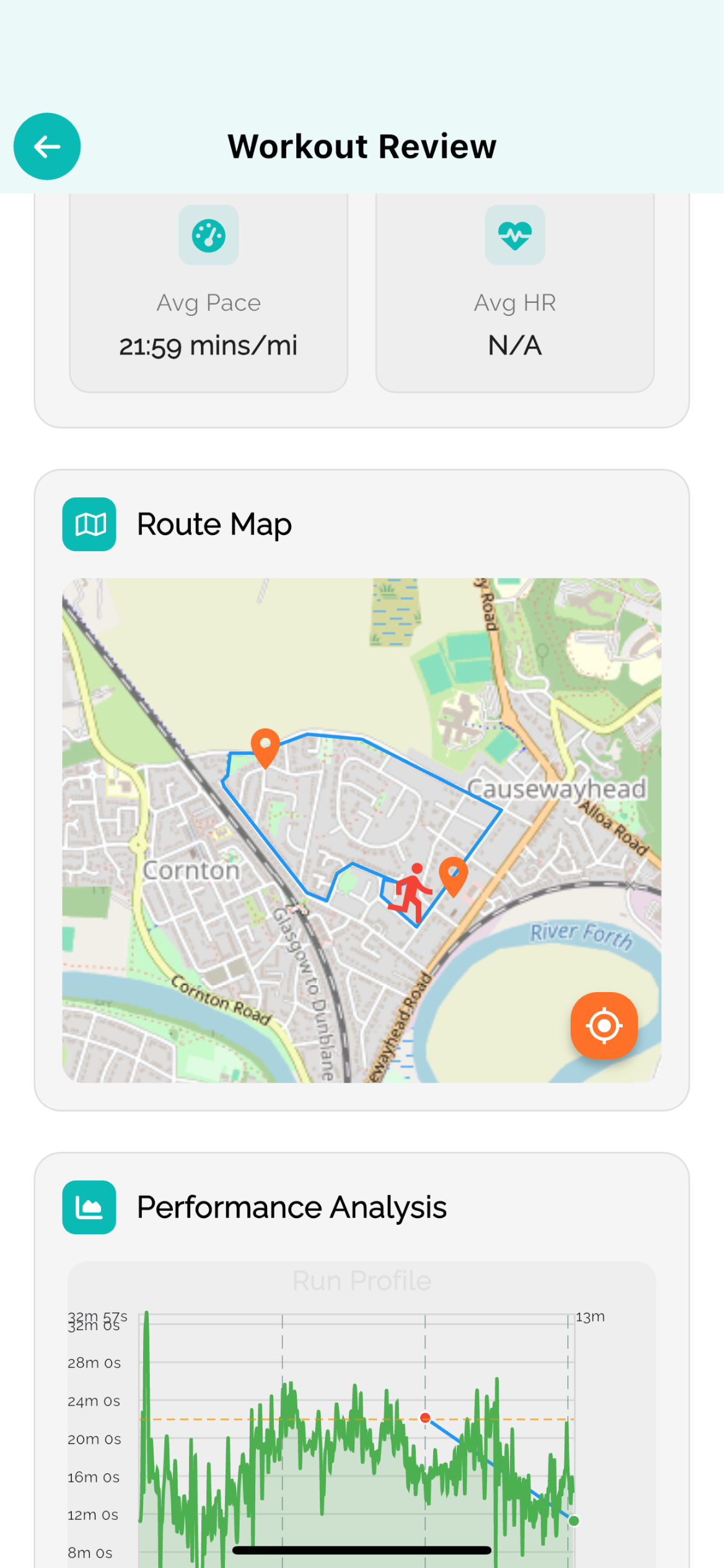
Consistent pacing work at 3:15 reveals how your body responds to sustained effort. RunV uses your actual run data — pace consistency, heart rate drift, perceived effort — to flag whether your training load is building fitness or fatigue. Adjust your weekly structure based on these signals rather than rigid plans. A run that should be easy but shows high heart rate variability might signal under-recovery; conversely, smooth threshold work shows you're ready for harder efforts. This adaptive approach means you peak when it matters most.
Mistakes to avoid
- Running easy runs too fast, blunting your aerobic development
- Skipping strength work, risking injury in the final weeks
- Attempting marathon pace before your base is solid (a minimum 40 miles per week for 8 weeks)
- Over-racing in the lead-up; save your legs for the marathon itself
- Ignoring niggling pains; address them early or miss race day
FAQ
- How long should I train for a 3:15 marathon?
- Most runners need 16–20 weeks of focused training, assuming a base of 30–35 miles per week already established. If you're building from lower mileage, allow an extra 4–8 weeks to develop aerobic fitness safely.
- What marathon time should I target if I'm not ready for 3:15?
- If your recent half-marathon is slower than 1:35, aim for 3:30 first. A 1:33 half-marathon suggests 3:15 is realistic. A 1:31 half-marathon points toward sub-3:15 potential. Use your recent race pace as a guide.
- Can I run 3:15 on five runs a week?
- Yes, but it's tighter. Combine your tempo and interval sessions into longer efforts, and ensure your long run reaches 20+ miles. Quality matters more than quantity at this level; five focused sessions beat seven unfocused ones.
Train smarter
RunV turns this thinking into your plan — adaptive coaching that rebuilds after every run.
Keep reading