Racing 5 min
Half marathon training: how long does it take?

Most runners need 12 to 16 weeks to train for a half marathon. If you're already running regularly, 12 weeks is often enough. Starting from a lower fitness base or targeting a specific time goal may require 14–20 weeks.
What is the standard half marathon training timeline?
A 12–16 week block is the sweet spot for most runners. This gives your body enough time to build aerobic capacity, log key long runs, and adapt to race-specific pacing without overtraining or losing momentum. Anything shorter risks inadequate preparation; anything longer can lead to fatigue and motivation dips.
How does your current fitness level affect training length?
- If you run 15–20 miles per week already: 10–12 weeks is often sufficient
- If you run 5–10 miles per week: aim for 12–16 weeks
- If you're returning to running or new to it: 16–20 weeks gives safer adaptation
- Complete beginners should build a base of 3–4 months easy running first before starting a dedicated half marathon plan
What if you're training for a specific time goal?
Chasing a personal best demands more precision than simply finishing. Allow 14–18 weeks to include structured speed work, threshold runs, and tapering. The faster your target, the longer your prep should be. A sub-90-minute half marathon, for example, requires more speed development than a first-time attempt.
What should a typical 12-week plan include?
- Weeks 1–3: build weekly mileage by 10% per week, establish easy-run base
- Weeks 4–8: introduce tempo runs, long runs, and hill work; build your long run towards 10–12 miles
- Weeks 9–10: maintain effort but slightly reduce volume (recovery block)
- Weeks 11–12: final speed sessions, then taper and rest before race day
Can you train for a half marathon in 8 weeks?
It's possible if you're already logging 25+ miles weekly and have recent race fitness. However, eight weeks leaves little margin for adaptation or injury recovery, and you'll miss cumulative training benefits. Most coaches don't recommend it unless you're an experienced runner stepping up from 10K racing.
How does training duration affect injury risk?
Rushing a half marathon plan—compressing 12 weeks into eight—raises injury risk considerably. Your tendons, joints, and neuromuscular system need gradual loading. A 16-week block allows safer progression, more recovery weeks, and genuine fitness gain rather than accumulated fatigue.
What happens if you start with inconsistent base fitness?
If your running has been sporadic or low-volume, don't jump straight into race training. Spend 4–6 weeks building a consistent foundation (20–25 miles per week) before beginning your formal 12–16 week plan. This reduces injury risk and ensures you'll benefit from the harder work ahead.
Tailoring your plan with smart feedback
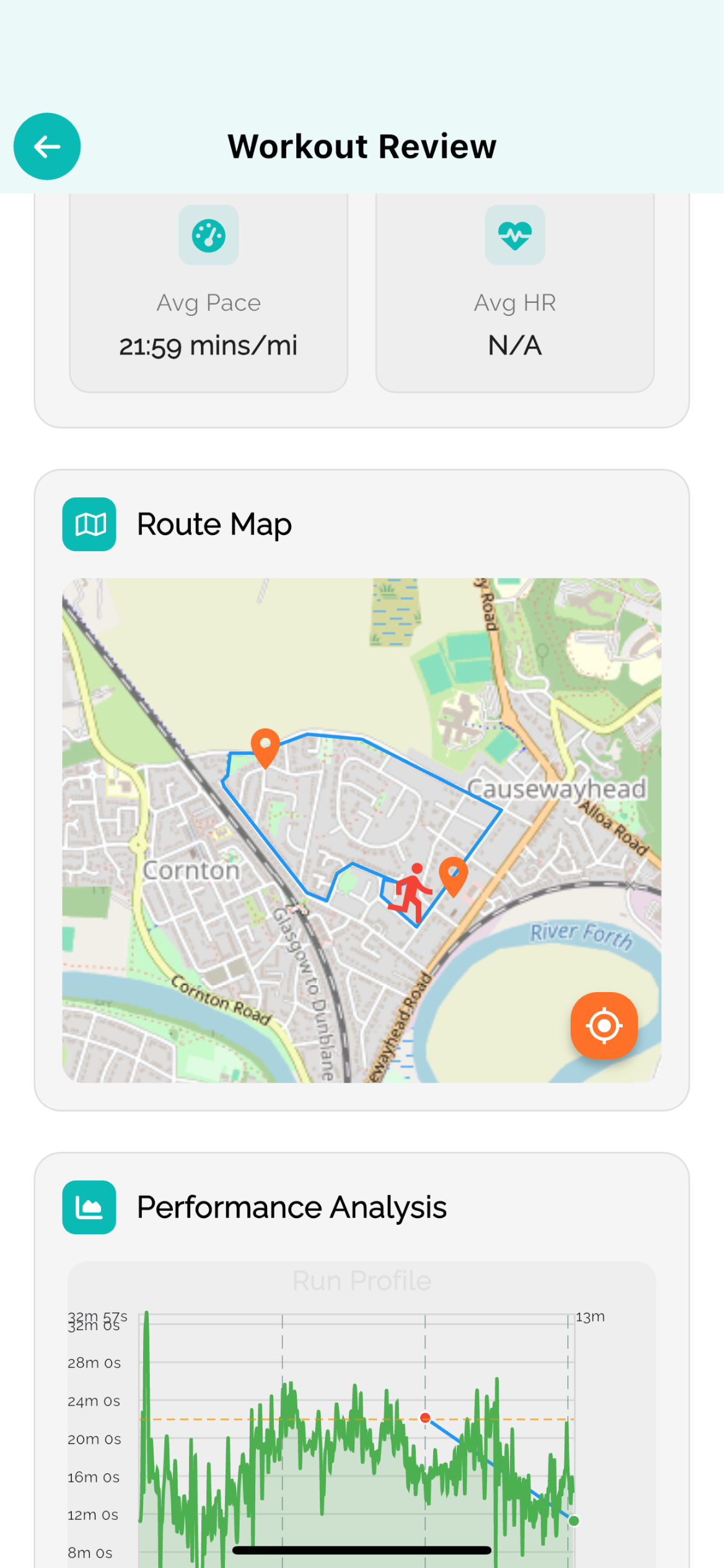
The ideal training length isn't just a calendar—it's personal. Adaptive coaching platforms track your weekly mileage, recovery patterns, and pace data to flag when you're adapting well or running too hard, too soon. Using that feedback to adjust your 12–16 week block means you train smarter and arrive at the start line fresh, not fried.
FAQ
- Can I do a half marathon with only 8 weeks' training?
- Yes, if you're already running 25+ miles weekly with recent race fitness. However, most runners benefit from 12–16 weeks to build aerobic capacity safely and reduce injury risk.
- How much per week should I run during half marathon training?
- Most plans peak at 30–45 miles per week, depending on your goal and experience. Weekly mileage usually increases 10% per week until the peak block, then dips during taper.
- Is a 20-week training plan better than 12 weeks?
- Not necessarily. Longer isn't always better; 20 weeks risks fatigue and motivation loss. Twelve to 16 weeks is optimal for most runners. Use 20 weeks only if you're returning from injury, starting from very low mileage, or targeting an ambitious time goal.
Train smarter
RunV turns this thinking into your plan — adaptive coaching that rebuilds after every run.
Keep reading