Training 5 min
How to build your weekly long run safely

The safest way to build your long run is to increase distance by no more than 10% per week, maintain a conversational pace, and prioritise recovery between efforts. Rushing distance gains is the quickest path to injury; consistency and small increments work.
Why progression matters more than speed
Your body adapts to load gradually. Tendons, ligaments and aerobic capacity all need time to strengthen. Running your longest distance at a genuinely easy pace builds the aerobic base that endurance running demands, without unnecessary structural stress. Fast long runs teach poor patterns and pile fatigue on top of fatigue.
The 10% rule and when to apply it
Increase your long run by roughly 10% of the previous week's distance. If you ran 8 km last week, 9 km this week is appropriate. Skip a week of increases every third or fourth week—drop back 10–15% and consolidate gains. This pattern prevents cumulative injury and lets your body absorb training.
The 10% rule is a guideline, not law. If you feel fresh after a run, you can progress. If you're sore, stiff or fatigued, hold steady or reduce slightly.
Pacing: the foundation of safe distance
Most runners run their long runs too fast. Your long run pace should feel conversational—you can speak in short sentences without gasping. This is typically 60–70% of your maximum heart rate, or 4–5 minutes per kilometre slower than your 5 km race pace.
- Run so you finish with energy, not empty
- Aim for the slowest pace that feels sustainable for the full distance
- Save speed work for a separate session midweek
- If your long run becomes hard labour, you've gone too fast
Recovery between long runs
Space long runs at least 7 days apart. Back-to-back hard weeks accelerate fatigue and injury risk. The 48–72 hours after a long run are when adaptation happens. Use that time for easy runs, cross-training or rest.
- Eat and drink within 30 minutes of finishing
- Walk for 5–10 minutes to cool down gradually
- Sleep well; that's when your body repairs
- Run easy for 2–3 days after, if you run at all
Fuelling and hydration during the run
Once your long run exceeds 60–75 minutes, you need fuel and fluid. Practise your strategy on training runs, not race day. Carry water or use a planned route with stops. For energy, try gels, sports drinks, or real food—whatever your stomach tolerates. Dehydration and bonking aren't badges of honour; they're avoidable mistakes.
Strength and flexibility: the overlooked safeguard
Running alone doesn't prepare muscles and connective tissue equally. Add two short sessions per week of strength work—squats, lunges, single-leg exercises, calf raises—and 10 minutes of mobility. This reduces injury risk and improves running efficiency, which indirectly makes distance feel easier.
Track progress data-driven
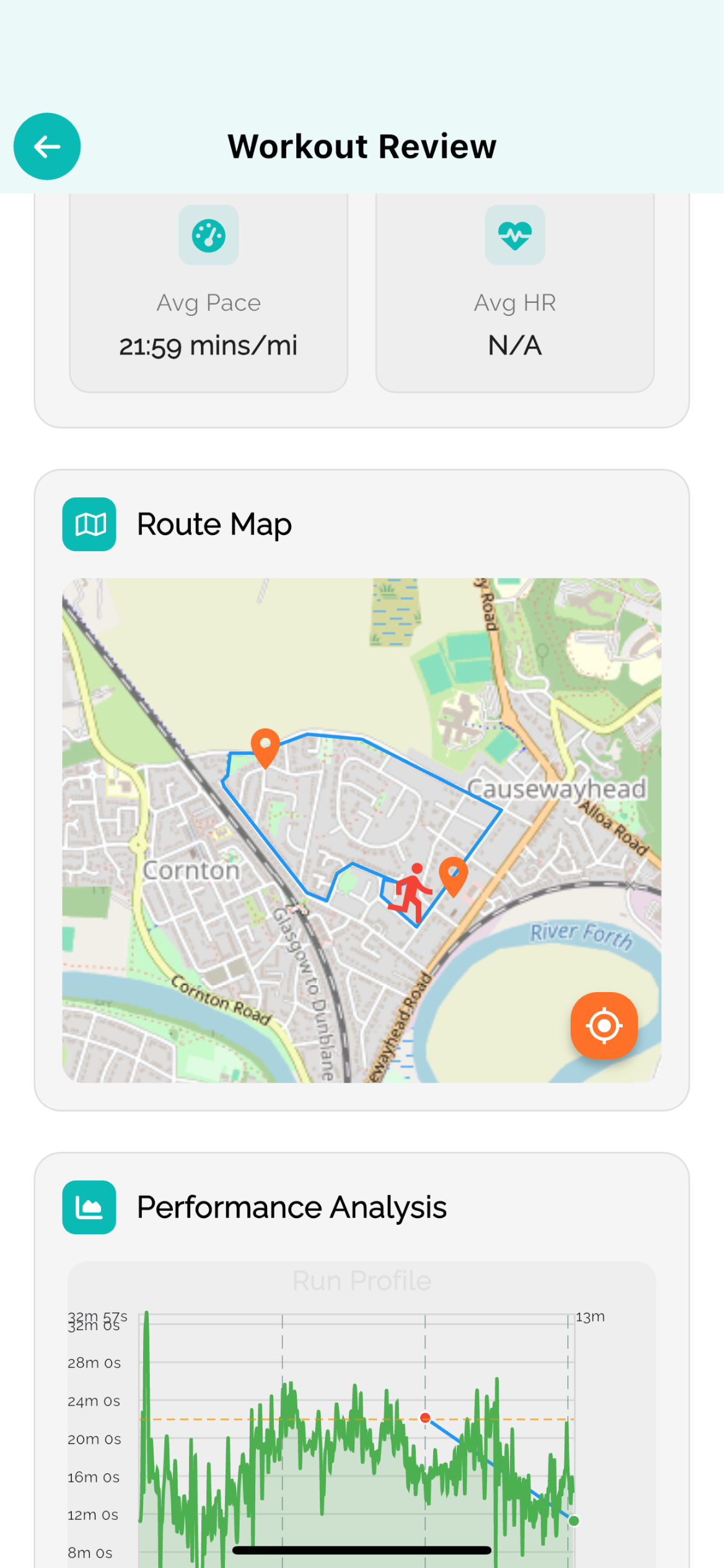
Building long runs safely requires knowing how you actually feel and perform, not just following a template. Using a running app that logs distance, pace, heart rate and perceived effort lets you spot patterns—fatigue accumulation, overtraining signals, or readiness for progression. Adaptive coaching platforms like RunV adjust your plan based on your recovery and response, not blind rules. Record how each run felt, your sleep quality and any niggles. That feedback loop turns generic guidance into a programme built for your body.
Common mistakes to avoid
- Increasing distance and intensity in the same week
- Running the long run near race pace or faster
- Skipping the consolidation week
- Ignoring early warning signs like persistent soreness or shin pain
- Neglecting strength and mobility
FAQ
- How slow should my long run be?
- Slow enough to hold a conversation in short sentences. For most runners, this is 4–5 minutes per kilometre slower than their 5 km race pace, or around 60–70% of max heart rate. You should finish feeling like you could run another 20 minutes, not completely spent.
- Can I increase by more than 10% if I feel strong?
- Feeling strong on one run doesn't mean your tendons and ligaments are ready. Stick to 10% as a safe ceiling. If you're thriving after four weeks at a distance, add the next increment confidently. Patience prevents injury.
- What should I eat during a long run?
- For runs under 60 minutes, water is usually enough. Beyond that, aim for 30–60 grams of carbohydrate per hour—gels, sports drinks, energy bars or fruit work. Practise on training runs so your stomach knows what to expect.
Train smarter
RunV turns this thinking into your plan — adaptive coaching that rebuilds after every run.
Keep reading