Training 6 min
How to increase running endurance without getting injured

The safest way to build running endurance is to increase weekly mileage gradually—no more than 10% per week—while adding strength training and prioritising recovery. Most endurance injuries come from doing too much too soon, not from the training itself.
Follow the 10% rule for weekly mileage increases
The most reliable method to avoid injury whilst building endurance is to raise your total running distance by no more than 10% each week. If you run 30 km this week, aim for 33 km next week. This gives your bones, tendons and muscles time to adapt without exceeding their capacity to repair.
Every third or fourth week, drop your mileage by 10–20% to allow accumulated fatigue to clear. This de-load week is when your body actually gets stronger.
Build a base before pushing long runs
Attempting long runs without an aerobic foundation is a fast route to injury. Spend 4–6 weeks running consistently at easy pace—mostly conversational efforts—before extending your longest run. A solid base means your tissues are conditioned to handle stress.
Once you have a base, increase your longest run by no more than 1–1.5 km every 2–3 weeks.
Why strength training prevents endurance injuries
- Calf and shin work stabilises the lower leg and reduces impact stress
- Glute and hip exercises improve running form and reduce knee strain
- Core strength protects your lower back during long efforts
- Balance drills strengthen stabiliser muscles around ankles and knees
Add 2 sessions of 20–30 minutes of strength work per week, focusing on single-leg exercises, resistance bands and bodyweight moves. This directly cuts injury risk without compromising your aerobic gains.
Manage intensity—most endurance runs should feel easy
A common mistake is running too many middle-pace efforts. Build endurance at low intensity (zone 2: conversational pace) so your aerobic system develops without excessive stress on joints and connective tissue. Save harder efforts for one dedicated session per week.
Easy running improves fat oxidation and builds a larger aerobic engine. Hard running builds speed—but only after your base is solid.
Recovery and sleep are structural adaptations
Endurance fitness happens during recovery, not during the run itself. Aim for 7–9 hours of sleep each night; this is when muscle repair and mitochondrial adaptation accelerate. Active recovery (easy walking or cycling) on rest days can improve blood flow without adding injury risk.
- Avoid running hard on consecutive days
- Take at least one full rest day per week
- Manage stress; high cortisol slows recovery
- Eat protein and carbohydrate soon after long runs
Listen to niggling pain early
Sharp pain, swelling or discomfort that doesn't settle in the first 10 minutes of a run is a warning. Reduce mileage or take 3–5 days off before it becomes a real injury. Most overuse issues caught early respond quickly; ignoring them often means weeks out.
Track your training and adjust in real time
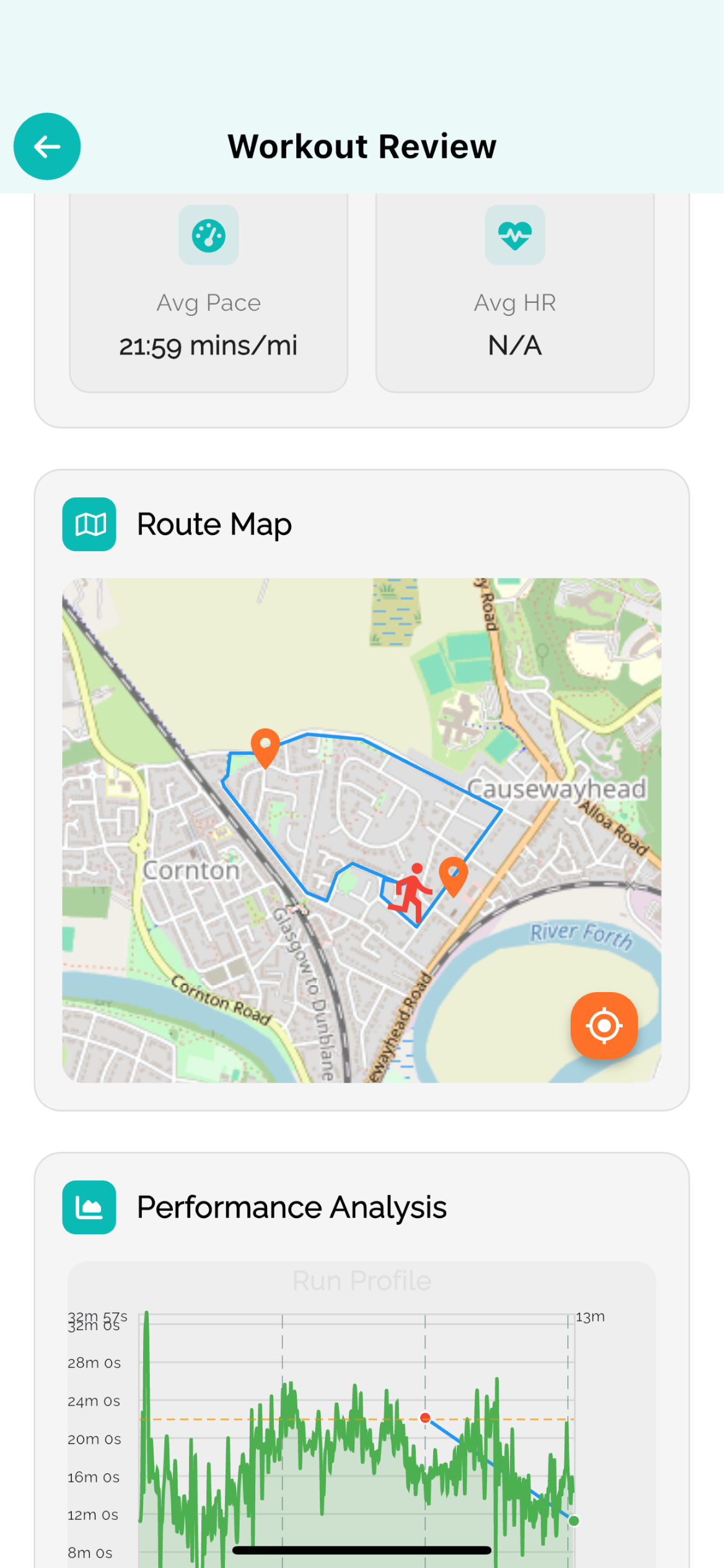
Endurance building is not a one-size-fits-all process. By logging your mileage, pace, how you felt and any niggles, you create a personal dataset that shows what works for your body. Many runners benefit from a coaching approach that adapts weekly targets based on your previous week's recovery and readiness—rather than following a fixed plan regardless of circumstance. RunV's adaptive programming adjusts intensity and volume based on your responses, helping you push the boundaries of endurance without overstepping into injury.
Summary
- Increase mileage by no more than 10% per week, with a de-load every 3–4 weeks
- Build an aerobic base with easy-paced running before extending long runs
- Add 2 sessions of strength training per week to reinforce injury-prone areas
- Keep most runs easy; save hard efforts for one session weekly
- Prioritise 7–9 hours of sleep and active recovery
- Stop early if pain appears; prevention is faster than cure
FAQ
- How long does it take to build serious running endurance?
- Most runners see meaningful endurance gains within 12–16 weeks of consistent training, assuming a solid base exists. Significant aerobic improvements (like improved marathon performance) typically require 6–12 months of structured, injury-free training. The timeline depends on your starting fitness and training consistency.
- Is it safe to do a long run every week?
- Yes, one long run per week is the standard approach for endurance building. Keep it to one per week, though; back-to-back long runs greatly increase injury risk. The rest of your weekly mileage should be easy or moderate pace.
- What should I do if I feel pain during a long run?
- If it is sharp or localised, stop running and walk back. If it is mild and general fatigue, you can usually continue at a slower pace. Either way, ease off the following week. Pain that persists for more than a few days warrants rest and a check-up before returning to training.
Train smarter
RunV turns this thinking into your plan — adaptive coaching that rebuilds after every run.
Keep reading