Racing 5 min
How to taper for a race without losing fitness

Taper 7–10 days before race day by reducing training volume by 40–60% whilst keeping high-intensity efforts short and sharp. This proven approach preserves the fitness you've built whilst allowing your body to recover, sharpen and arrive at the start line ready to perform.
Why tapering matters for race performance
A proper taper gives your body time to repair accumulated training stress, replenish energy stores and resolve minor niggles—all without losing the adaptations you've earned. Runners who maintain hard efforts during taper actually perform better than those who go completely easy, because high-intensity work keeps your nervous system alert and your aerobic engine primed.
How long should you taper?
Most runners benefit from a 7–10 day taper before a half marathon or marathon. Shorter races (5K, 10K) may need only 4–5 days. Longer ultras often require 10–14 days. The general rule: the longer the race, the longer the taper, because tissue damage and fatigue accumulate with distance.
Cut volume the right way
- Reduce total weekly mileage by 40–60%, not by skipping runs entirely
- Drop your longest run by 30–50% (so a 16-miler becomes 8–11 miles)
- Keep the number of runs similar; instead shorten most of them
- Avoid back-to-back hard sessions, but don't skip them altogether
Maintain intensity during taper
This is the key that separates effective tapers from ones that blunt your edge. Include 1–2 short, sharp efforts per week: a few 3–5 minute intervals at race pace or faster, or a short tempo run of 15–20 minutes. These efforts preserve neuromuscular sharpness and keep your aerobic system engaged without adding volume or fatigue.
Sample taper structure for a marathon
- 10 days out: cut long run to 10–12 miles, easy pace; keep one tempo session at 15 min
- 8 days out: easy 5–6 miles; 6 × 3 min at 10K pace
- 6 days out: easy 5–6 miles; one 20 min at marathon pace
- 4 days out: easy 4–5 miles; skip hard efforts
- 2 days out: easy 3 miles or complete rest
- 1 day before: very easy 2–3 miles or rest
- Race day: warm-up as planned
What to avoid during taper
- Panic running: no long, easy miles just because you feel anxious
- Doing nothing: rest is not the same as zero running
- Trying new gear or food: test everything in training
- Sudden big jumps in pace: build intensity gradually, not explosively
Sleep, nutrition and hydration matter most
During taper, your body is primed to adapt. Prioritise 7–9 hours of sleep per night, eat adequate carbohydrate (5–7 g per kg body weight daily) and stay well hydrated. Small details like these compound more during taper than during heavy training blocks, because your system is recovery-focused and receptive.
Track readiness with data
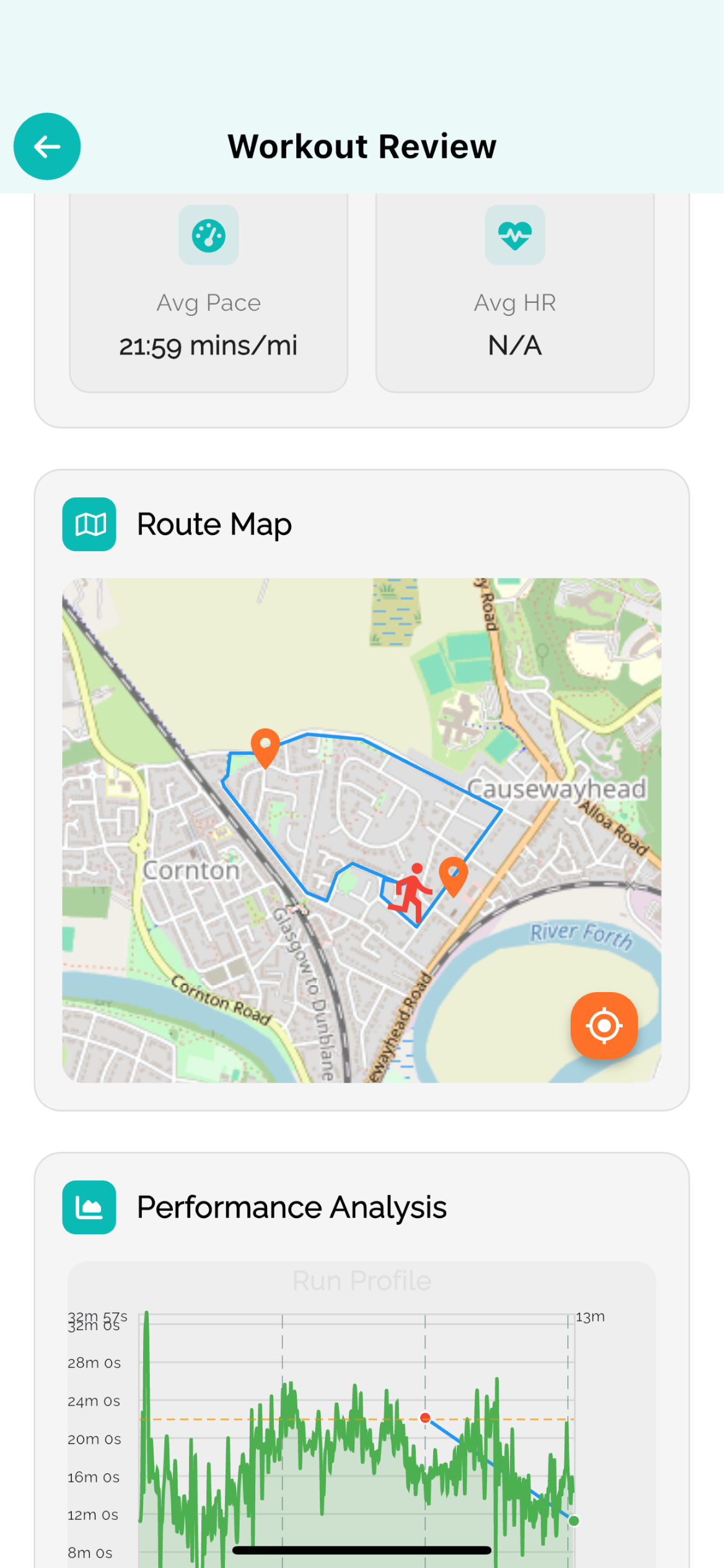
Smart tapers are built on how your body actually responds, not generic rules. A tool like RunV lets you log short efforts and monitor how your pace and effort level feel against your training data—if you're hitting pace with less perceived effort as race day nears, that's a sign taper is working. Conversely, if pace feels hard despite lower volume, you may be under-recovered and need extra rest days or a slightly longer taper.
FAQ
- Can I lose fitness in a 10-day taper?
- No. Fitness is built over months; 10 days of reduced volume doesn't erase that. You may feel slower at first because you're less fatigued, but aerobic capacity, muscular strength and efficiency stay intact. Race day usually reveals the fitness was there all along.
- Should I do a practice race during taper?
- A short race (5K, 10K) 2–3 weeks before your main event can work as a sharpening effort and confidence builder. Avoid racing hard in the final 10–14 days; if you do a short effort mid-taper, keep it controlled and treat it as a workout, not a max effort.
- What if I feel flat or slow during taper?
- This is common and normal. You're rested but not yet razor-sharp. By race day—especially after a full warm-up—sharpness returns. Trust the taper. If you genuinely feel undertrained, that's a sign you tapered too early or cut volume too much; adjust by adding a moderate run or keeping the taper to just 5–7 days next time.
Train smarter
RunV turns this thinking into your plan — adaptive coaching that rebuilds after every run.
Keep reading