Training 6 min
Interval training for runners: a simple starting point

Interval training means running hard for a set time or distance, then recovering, and repeating. It's one of the most effective ways to build speed and fitness, and you can start with just one simple session a week.
What is interval training?
Interval training alternates between harder efforts and easier recovery periods. Unlike a steady-paced run, these sessions challenge your aerobic system and teach your body to run faster while managing fatigue. You don't need a track or special kit—just time, effort, and a safe route.
Why add intervals to your running?
- Improves VO₂ max: your body's ability to use oxygen
- Builds running speed and leg strength
- Fits into a busy schedule—quality over quantity
- Breaks up monotony of always running the same pace
- Prepares you for racing
The simplest interval session to start with
Begin with a 10-minute easy warm-up jog. Then run hard (at about 80–85% of your maximum effort) for 90 seconds. Recover with 90 seconds of easy jogging. Repeat this cycle 4–6 times. Finish with a 5-minute easy cool-down. This session takes roughly 30 minutes total and is manageable for most runners.
How hard should you push?
'Hard' means you can speak a few words but not hold a full conversation. Your breathing is quick and controlled. This is roughly 7–8 out of 10 intensity. If you're gasping or grinding to a halt, ease back slightly—you'll improve faster with consistent, controlled effort than with all-out sprints.
How often should you do intervals?
Start with one interval session per week if you're new to speed work. Once you've done this for 3–4 weeks comfortably, add a second session. Space them at least 3–4 days apart so your body can recover. Your other runs should stay easy and relaxed.
Progressing your intervals safely
- Week 1–3: 90 seconds hard, 90 seconds easy, repeat 4–5 times
- Week 4–6: 2 minutes hard, 1.5 minutes easy, repeat 4–5 times
- Week 7+: 2–3 minutes hard, 1–2 minutes easy, repeat 3–4 times
Only increase one variable at a time: either make the hard effort longer, shorten the recovery, or add one more repeat. Small changes prevent injury and keep progress steady.
Tracking progress with interval training
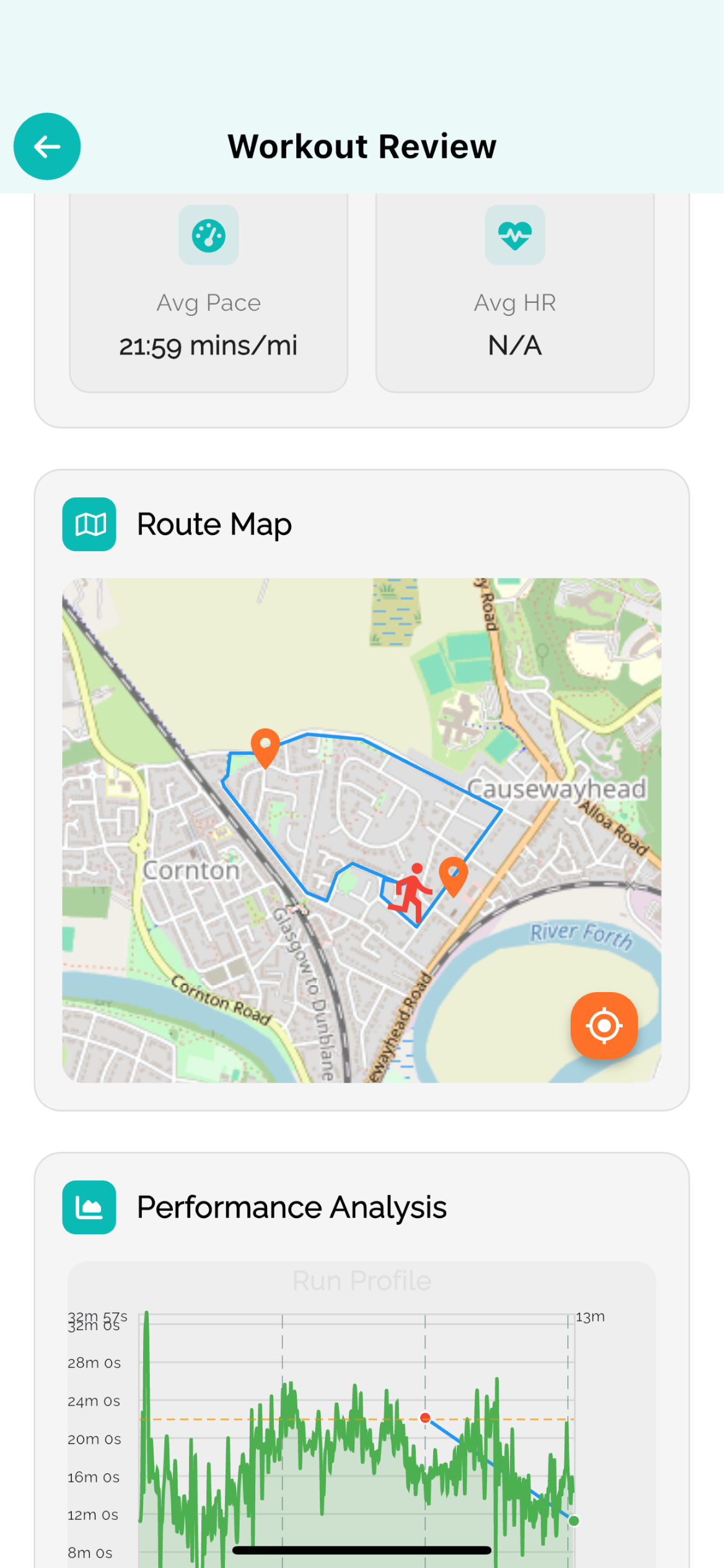
Record what you do: effort duration, recovery duration, number of repeats, and how it felt. Over weeks, you'll notice you can sustain harder paces or recover faster between efforts. This is real progress. Tools that log your sessions—pace, heart rate, perceived effort—help you spot trends and adjust wisely. That kind of adaptive data-driven approach is how interval work becomes truly effective for your individual fitness.
Common mistakes to avoid
- Starting too fast: save hard efforts for the workout, not the warm-up
- Skipping recovery runs: easy days are when adaptation happens
- Adding intervals too quickly: one extra session per month is plenty
- Running intervals on tired legs: rest the day before
FAQ
- Can I do interval training if I'm a beginner runner?
- Yes, but build a base first. Run 3 times a week for 4–6 weeks at an easy, conversational pace before adding intervals. Your aerobic foundation matters.
- Do I need a treadmill or track for intervals?
- No. A flat route—park path, residential street, or field—works just as well. A watch or phone app to time your efforts is all you need.
- What if I can't complete all the repeats?
- Stop the session and recover fully. Next time, do fewer repeats or shorten the hard effort. Consistency and gradual progress matter far more than pushing to failure.
Train smarter
RunV turns this thinking into your plan — adaptive coaching that rebuilds after every run.
Keep reading