Training 5 min
Run coaching software

Run coaching software is a digital tool that automates training plan creation, monitors your performance data, and adjusts workouts based on your fitness level and goals. It bridges the gap between professional coaching and self-guided running by delivering personalised guidance at scale.
What does run coaching software do?
Run coaching software takes your current fitness level, running history, and goal race date, then generates a structured training plan tailored to you. It tracks weekly mileage, pace targets, rest days, and workout types—speed work, long runs, easy runs—and adapts in real time as you log your actual effort and performance.
Key features of effective coaching apps
- Personalised training plans based on your fitness, history and goal
- Automatic workout adjustments after each run you log
- Pace and heart-rate guidance for each session
- Recovery tracking and fatigue alerts
- Race prediction and progress analytics
- Integration with running watches and fitness trackers
Who benefits most from coaching software?
Runners training for their first 5K through to ultra-marathoners use coaching software. It's especially valuable if you lack access to a local running group, can't afford a personal coach, or want data-driven feedback between professional coaching sessions. Many runners combine software with occasional check-ins from a real coach for the best of both worlds.
How does it differ from generic fitness apps?
Generic fitness apps offer basic calorie counting or random workouts. Run coaching software is sport-specific: it understands periodisation, periodised training cycles, the distinction between aerobic and anaerobic work, and how to build fitness safely over weeks and months without overtraining or injury.
Common concerns about digital coaching
- Can it replace a human coach? No—but it handles the routine work of planning and adjusting, freeing coaches for deeper analysis and motivation.
- Is it accurate for beginners? Yes, provided the app asks the right intake questions about your running history and current fitness.
- Will it know if I'm injured? Only if you log it. Always tell your app if you're in pain or unwell—no software reads your body better than you do.
Adaptive coaching in practice
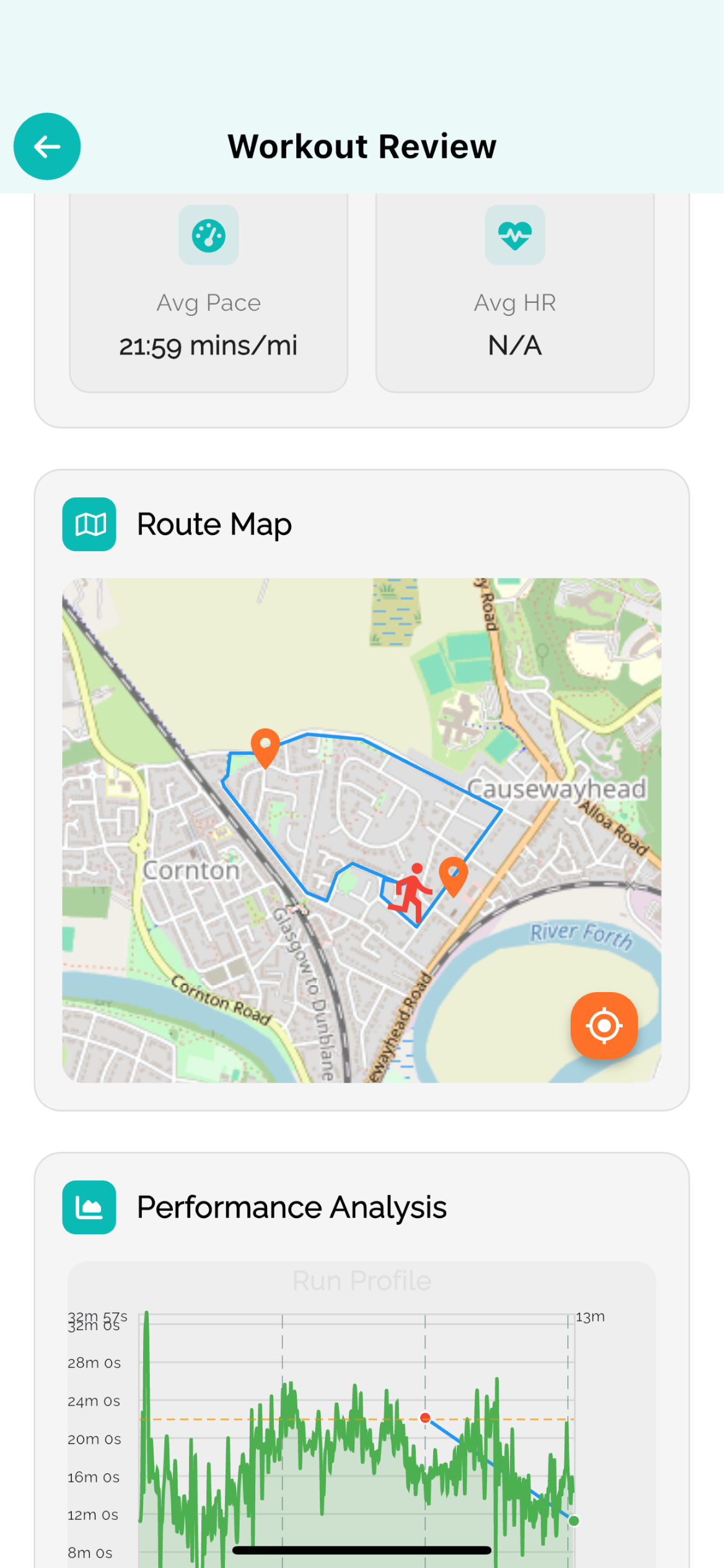
The best run coaching software uses adaptive, data-driven principles: it listens to what you actually did (not what you planned), measures your response to training stress, and adjusts next week's intensity and volume accordingly. This is how RunV works—by learning your patterns, recovery rate, and performance signature over time, it tunes every workout to meet you where you are, not where the generic plan assumes you'll be.
Getting started with coaching software
Download an app, complete your runner profile honestly, set a goal race date, and sync your running watch or phone GPS. Log every run—even easy days matter. Most apps improve in accuracy after 2–3 weeks of data. Check in weekly with the app's progress summary and adjust if life or fatigue demands it.
FAQ
- Do I need a smartwatch to use run coaching software?
- No. Most apps work with your smartphone's GPS and can estimate fitness from manual pace entry. A watch simply makes logging faster and more accurate, especially on tempo runs or intervals.
- Can coaching software prevent injury?
- It can reduce injury risk by managing mileage jumps, enforcing recovery days, and preventing overtraining—but it cannot diagnose pain. If something hurts, stop, rest, and see a physiotherapist or doctor.
- How much does run coaching software cost?
- Prices range from free basic plans (limited features) to £5–15 per month for premium. Some apps charge per race plan. Most offer a free trial so you can test before committing.
Train smarter
RunV turns this thinking into your plan — adaptive coaching that rebuilds after every run.
Keep reading