Training 5 min
Run coach software

Run coach software is a digital tool that automates training plan delivery, monitors your performance metrics, and adapts workouts in real time based on your effort and progress. It replaces one-size-fits-all generic plans with logic-driven, personalised coaching that responds to how your body actually performs.
What does run coach software do?
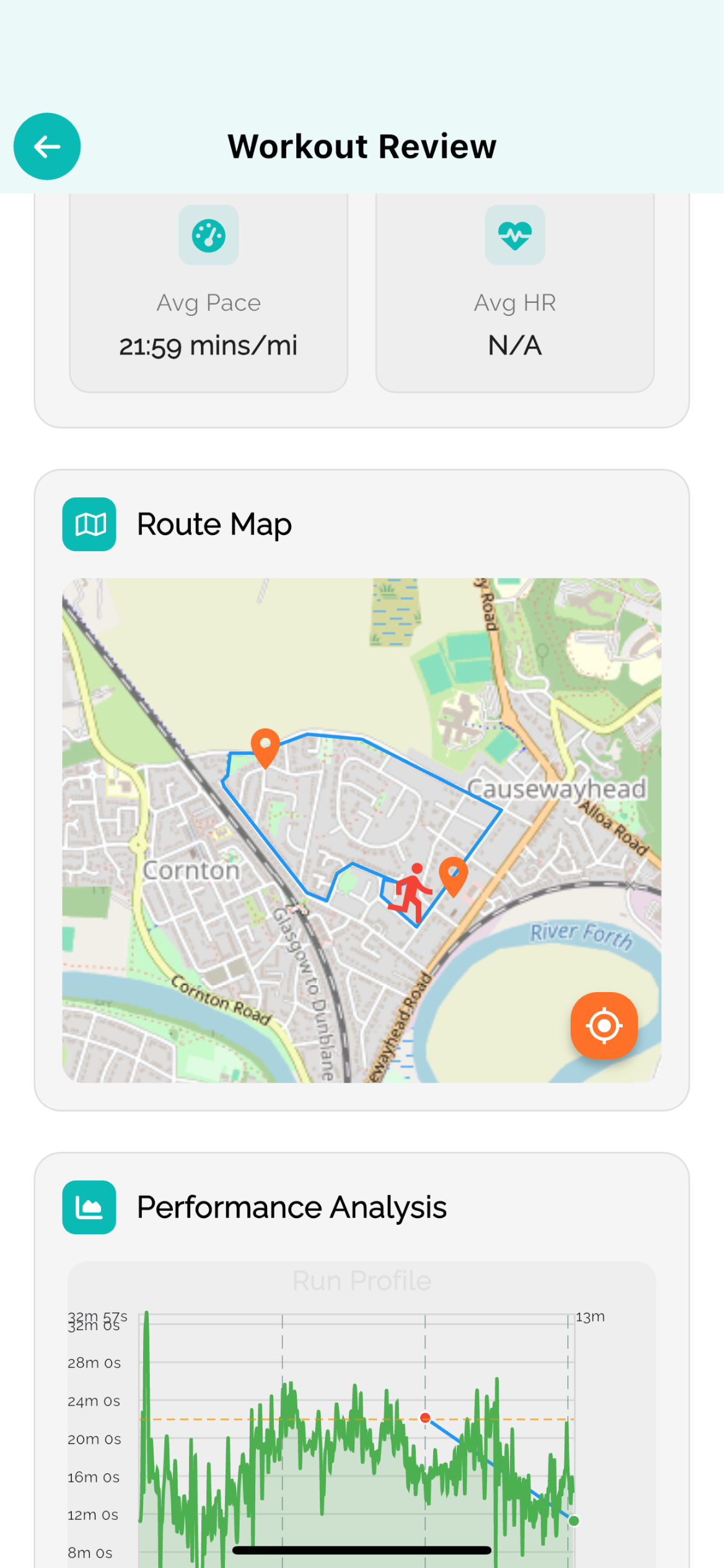
Run coach software sits between you and a structured training plan. It collects data from your runs—pace, heart rate, effort level, recovery—and uses that information to adjust your next session. Rather than following a fixed 12-week block that ignores whether you're tired or thriving, the software recalibrates based on what you can handle right now.
The core functions include workout prescription, progress tracking, form feedback, and adaptive adjustment. Some platforms also integrate with wearables, offer recovery guidance, and provide injury-prevention cues.
Key features to look for
- Adaptive workout adjustment based on weekly performance data
- Integration with running watches and fitness trackers
- Clear, actionable session instructions (pace ranges, effort zones, distance targets)
- Recovery and fatigue monitoring
- Community or coach access for accountability and form checks
- Structured plans for different race distances and goals
How it differs from a generic training app
A generic app is a library. It offers 50 plans for a half-marathon, and you pick one. You follow it regardless of illness, life stress, or breakthrough weeks. Run coach software is reactive. It notices you crushed your tempo run and backs off the next hard session. It sees you're under-recovered and moves the track workout to later in the week.
Real coaching—whether human or algorithmic—requires dialogue with your data. That's where software-based coaching earns its place.
Training adaptivity and data-driven coaching
The most effective run coach software doesn't prescribe blindly. It observes your weekly output, interprets your effort level, and tweaks the plan within a sensible framework. This mirrors how an experienced coach would adjust a session mid-week: if you arrived tired, they'd dial back intensity and extend the easy days. The software does the same, but continuously and without the need to explain yourself. The system learns whether you recover better with an extra day off or a second easy run, and personalises your schedule accordingly.
Is run coach software worth it?
If you're serious about improvement and consistency, yes. The upfront cost (typically £5–15 monthly) is offset by avoiding wasted training, overtraining, and injury. You also get faster feedback loops: you don't wait weeks to know if a plan is working.
It's less valuable if you prefer total autonomy or already work with a human coach. It's most useful for self-coached runners who want structure without rigidity.
Getting started with run coach software
- Choose a platform that matches your goal (5K, marathon, general fitness) and integrates with your watch or phone.
- Complete the initial assessment: fitness level, recent training history, target race, available training days.
- Run the first week as prescribed, logging effort honestly—this baseline teaches the algorithm how to calibrate for you.
- Review feedback after each session and adjust settings (recovery needs, intensity preference) if the suggestions feel off.
- Trust the process for at least three weeks before judging whether the adaptation logic suits your running style.
FAQ
- Can run coach software replace a human coach?
- It can replicate the core functions of data-driven coaching—prescription, monitoring, and adjustment—but it lacks the subjective interpretation and motivational presence of a human. Use it if you can't afford or access a coach, or pair it with occasional human input for form review or race strategy.
- Do I need a smartwatch or fitness tracker to use run coach software?
- Most platforms work without one, but a watch or tracker (especially one that measures heart rate) significantly improves the quality of adaptation. Workouts logged manually—time, distance, perceived effort—can still drive useful adjustments, though the signal is weaker.
- How long does it take for software to adjust to my running style?
- Reliable adaptation typically takes 2–4 weeks of consistent logging. Early recommendations may feel generic; as the system accumulates data on your pace zones, recovery patterns, and effort response, the plans become more precise and personalised.
Train smarter
RunV turns this thinking into your plan — adaptive coaching that rebuilds after every run.
Keep reading