Training 5 min
Run dream achieve alternatives

When injury, life or circumstance gets in the way of your primary running goal, alternatives let you stay motivated and keep training forward. Whether you shift to a different distance, race later, or reframe what achievement means, having a backup plan keeps you moving.
Why runners need a backup goal
Training for a specific goal—a marathon PB, a sub-20 5K, a first half marathon—gives structure and purpose. But life happens. A niggle that needs rest, a work commitment, a family change, or simply losing form can make your original goal unrealistic. A backup goal keeps you trained, engaged and still moving towards something.
Change the distance, keep the momentum
The simplest alternative is to race a different distance. Training for a marathon but faced with an injury? Shift to a 10K or half marathon using the aerobic base you've built. Moving up from a 5K to a 10K keeps your training load but extends the goal. Neither is a step back—it's a choice that fits your current reality.
Delay, don't abandon
Your goal race is still there, just later. If illness or injury forces you to step back for three weeks, pushing your target race by 8–12 weeks often allows a proper return to full training. This beats rushing back and risking setback. Mark a new date, adjust your calendar, and commit to a realistic build.
Reframe what achievement looks like
- Finish time goal becomes a solo participation goal.
- Race goal becomes a long run milestone or training volume target.
- PB attempt becomes a personal best for that session or week.
- Specific race becomes a local 5K or parkrun to rebuild confidence.
Achievement isn't always about the stopwatch. Coming back from injury and completing a run you doubted you could do is a win. Running a local race without pressure, just to enjoy racing again, builds momentum for bigger goals later.
Use alternatives to test your fitness
An unexpected alternative goal can be a useful trial. Racing a 10K when you planned a marathon shows you where your fitness sits now. A parkrun is free feedback on current form. These smaller races or timed efforts let you race, get data and reset expectations before committing to a new primary goal.
How to pick an alternative that works
- Be honest: can you train for this alternative given your current constraint (time, injury, energy)?
- Make it close enough: racing a 5K instead of a marathon still involves race day and taper, but fits a shorter window.
- Give it commitment: don't treat it as second-best. Own the alternative goal so it feels purposeful.
- Set a date: an alternative without a calendar commitment is just training. Pick a race or time window.
Build a new plan around your alternative
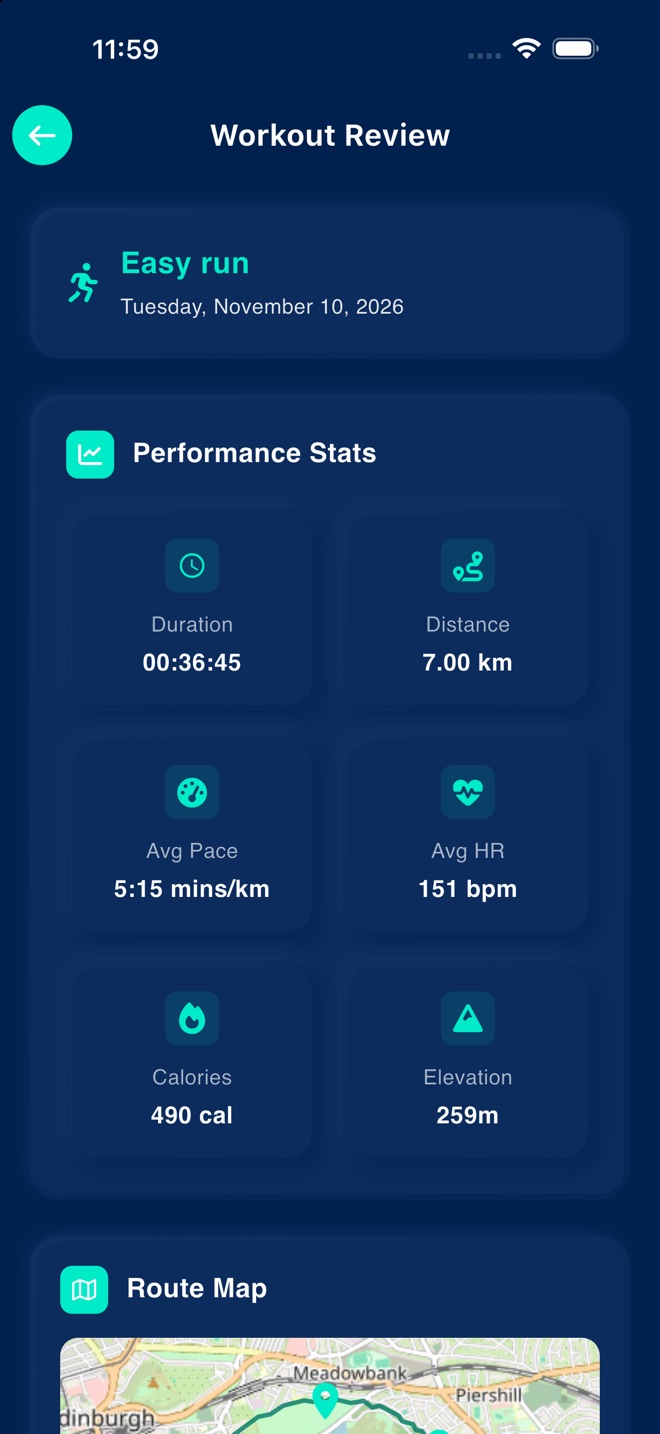
Once you've chosen an alternative distance and date, you need a structured plan to get there. RunV Premium includes coaching plans from Couch to 5K through to the marathon, and you can also build a custom plan around your own goal time and race date for 5K, 10K, half marathon, marathon, or any distance up to 50 km. If life shifts your plan midway—sessions missed, a week off—you can adapt your plan to fit your week. RunV's free app lets you record and review your runs; Premium adds Coach Crawford's structured training to keep you on track towards your alternative goal.
Move forward, not backward
A backup goal isn't failure. It's wisdom. Running is long. You'll have many races, many goals, many chances to achieve. When the primary one shifts, a thoughtful alternative keeps you moving, building fitness and staying in the sport you love. The runner who finishes a half marathon six weeks later is still a finisher. The runner who races a 10K instead of a marathon is still a racer. Forward is what counts.
FAQ
- Is it weak to change your running goal?
- No. Changing goal shows self-awareness and maturity. Training for something unrealistic leads to frustration or injury. Shifting to an alternative you can train for properly is a smart move that keeps you racing and building fitness.
- How much should I lower my expectations in an alternative goal?
- It depends on the reason you changed. If injury forced the shift, a modest time goal (5–10% slower) is sensible. If it's a distance change, your pace per kilometre might stay similar. If it's purely a delay, your fitness level should be similar too. Be realistic but not defeatist.
- Can I switch goals multiple times?
- Yes, but not weekly. One genuine priority goal, with a backup if needed, keeps you focussed. Too much switching leads to scattered training and no real fitness gain. Commit to each goal for at least 6–8 weeks before reconsidering.
Train smarter
RunV turns this thinking into your plan — adaptive coaching that rebuilds after every run.
Keep reading