Gear & tech 5 min
Pace, heart rate, cadence: which running metrics actually matter?

Modern watches throw dozens of numbers at you. Only a few should change what you do. Here's what pace, heart rate, cadence and training load each actually tell you — and the metrics you can safely glance past.
Pace
The headline number, and the most misused. Pace is the output, not the input — chasing it on every run is how easy days become medium-hard days. Use pace to hit targets on quality sessions; let easy runs be governed by effort.
Heart rate and zones
Heart rate tells you how hard the work actually is for you today, accounting for heat, fatigue and stress. Zone training keeps easy runs genuinely easy (the most common mistake is running them too hard) and hard runs honestly hard. Watch for drift — a rising heart rate at steady pace late in a run flags fatigue or heat.
Cadence
Steps per minute. It's a useful nudge, not a religion. Many runners over-stride at low cadence; gently lifting cadence can reduce impact. There's no universal magic number — aim for a smooth, light turnover rather than a specific target.
Training load
The metric most worth your attention and the one most people ignore. Training load tracks how much stress you've absorbed over recent weeks, so you can build progressively without spiking into injury. A good adaptive coach watches this for you and adjusts the plan accordingly.
What to safely ignore
- Estimated VO2 max from a wrist sensor — directionally interesting, not precise enough to train by.
- Calorie counts — notoriously rough; don't let them drive your fuelling.
- Every advanced 'dynamics' metric at once — pick one thing to improve at a time.
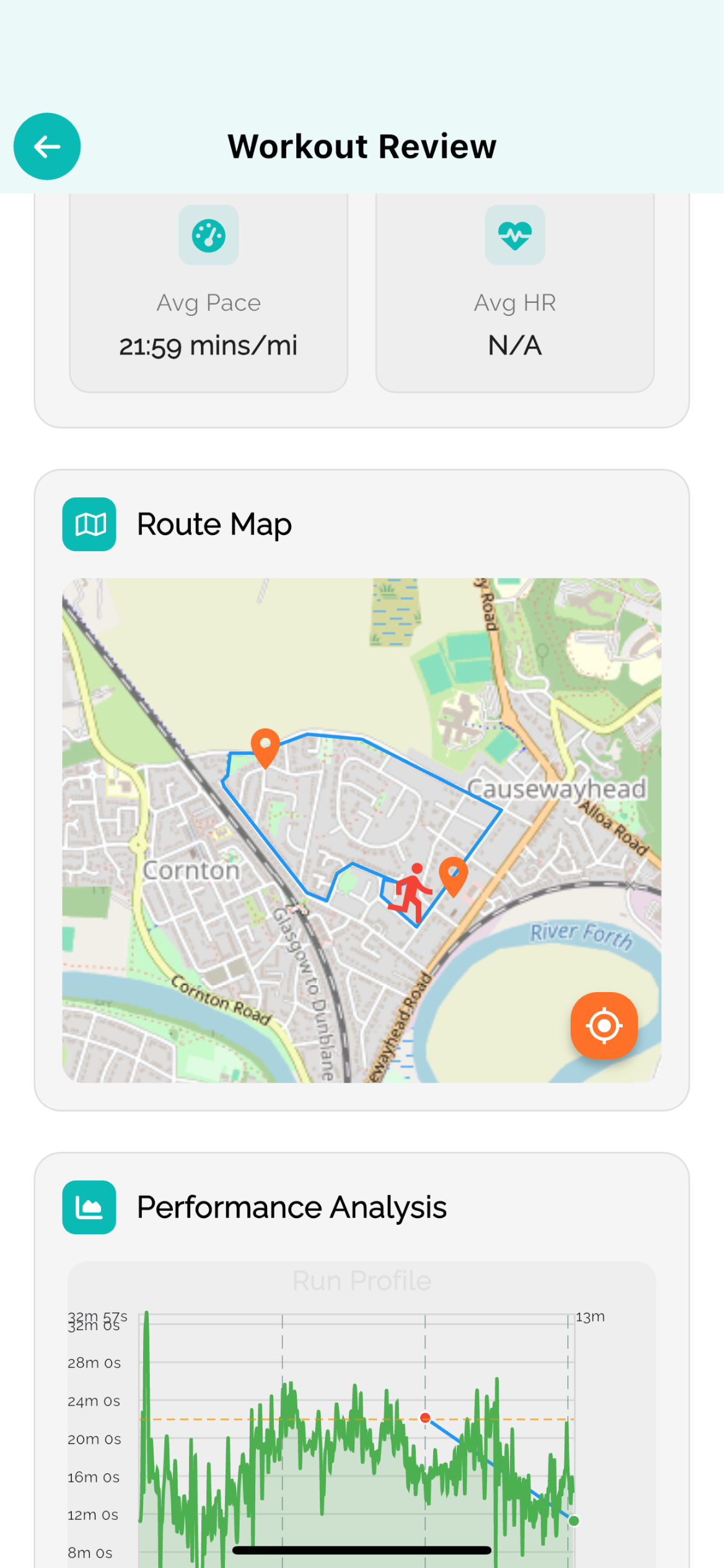
The point of the data is the decision it changes. RunV pulls pace, heart rate and load from your watch and turns them into one thing: tomorrow's session, recalibrated.
FAQ
- Should I run by pace or heart rate?
- Both, for different runs. Use pace targets on quality sessions, and effort or heart rate to keep easy runs easy. Going by pace alone tends to make easy days too hard.
- What running cadence should I aim for?
- There's no universal number. Aim for a light, smooth turnover; if you over-stride, gently lifting your cadence can reduce impact. Comfort and form matter more than a fixed target.
- What is training load?
- A rolling measure of the training stress you've absorbed recently. Tracking it helps you build fitness progressively without spiking into overtraining or injury.
Train smarter
RunV turns this thinking into your plan — adaptive coaching that rebuilds after every run.
Keep reading