Training 7 min
Training for your first trail race

Training for your first trail race requires different emphasis than road running: you'll build lower-body strength, practise uneven terrain, and learn pacing on climbs and descents. A structured 8–12 week plan that blends road miles with trail-specific work will prepare you physically and mentally.
Why trail training differs from road running
Trail running demands more from your stabiliser muscles, proprioception, and mental focus. Uneven ground, roots, rocks, and variable gradients mean your body absorbs impact differently and your feet must react constantly. Road fitness is a foundation, but it's not enough alone.
Build a strength foundation first
Strong legs, glutes, and core reduce injury risk and improve stability on technical terrain. Aim for two strength sessions per week in the 8–12 weeks before race day. Focus on single-leg work, which mimics the demands of trail running better than bilateral exercises.
- Single-leg squats or pistol squat progressions
- Glute bridges and single-leg glute raises
- Lateral band walks and clamshells
- Step-ups and lunges on varied surfaces
- Calf raises and ankle stability drills
- Planks, dead bugs, and bird dogs for core
Run on trails at least twice per week
Your feet and nervous system need practice reading terrain. Start conservatively—trail pace is slower than road pace—and focus on footwork and balance before speed. Aim for one easier, exploratory trail run and one slightly harder effort, such as hill repeats or tempo work.
Master hill strategy
Uphill running on trails depletes you faster than flat sections. Use a shorter stride, relax your upper body, and lean slightly into the hill. Downhills are where many runners falter: control your descent with a slight backward lean, land under your hips, and let your legs absorb impact rather than braking hard with your quads.
Practice on your race terrain
If possible, run the actual race course or similar terrain at least twice. This builds course familiarity, lets you identify technical sections, and gives you confidence. If you can't reach the course, seek out local trails with matching gradient and ground type.
Adapt your training based on feel and data
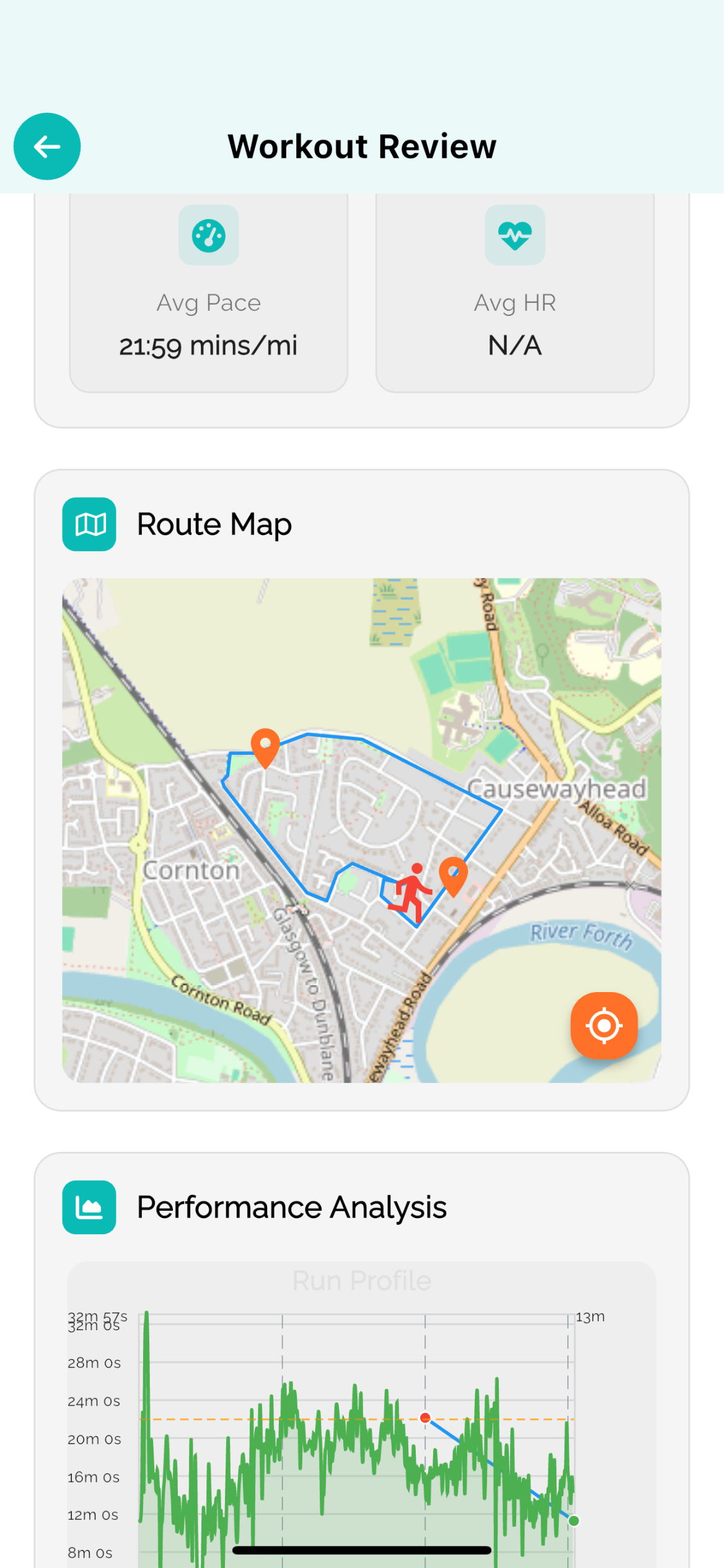
Trail running is unpredictable; rigidity breaks plans. Track how your body responds to terrain-specific sessions—heart rate, perceived effort, recovery speed, and injury signals matter more on trails than hitting exact paces. A good running app logs terrain type and difficulty, helping you spot patterns: if technical descents leave you sore, you need more of that stimulus before race day. Adjust volume and intensity based on those signals, not just the calendar.
Taper and race prep
Begin tapering 10–14 days before the race. Cut volume by 40–50% while maintaining intensity through short, sharp efforts. Run the course once more if feasible. On race day, start conservatively; you'll feel fresher at mile three if you don't chase early runners. Expect to walk steep climbs—that's normal and fast.
FAQ
- How much slower is trail running than road running?
- Typically 20–40% slower, depending on terrain technicality and gradient. A 5-minute road mile might equate to 6:30–7 minutes on trail. Use this as a rough guide when setting race goals and training pace expectations.
- Can I train for a trail race on a treadmill?
- A treadmill cannot replicate trail demands. It removes proprioception work and impact variation. Use a treadmill only for base conditioning or bad weather filler. Real trail time is essential.
- What footwear should I choose for trail running?
- Trail shoes have thicker soles, stiffer midsoles, and aggressive tread for grip. Choose based on the terrain: sharp, rocky trails need more protection; smoother trails allow lighter shoes. Visit a specialist running shop for a gait assessment before race week.
Train smarter
RunV turns this thinking into your plan — adaptive coaching that rebuilds after every run.
Keep reading