

Sub 4 Hour Marathon: 7 Proven Powerful Long Run Secrets
Cracking a sub 4 hour marathon is less about mystical talent and more about smart structure, especially in your long runs. If you want your training to feel like an “Hour Marathon: Proven Powerful” project instead of a random collection of miles, you need a clear system that blends physiology, pacing, nutrition, and modern running tech.
This guide breaks down seven long run secrets that experienced coaches and data‑driven athletes use to consistently move from 4:15–4:30 down to 3:50–3:59 and beyond.
Table of Contents
- Understanding the Sub 4 Hour Marathon Goal
- Secret #1 – Build a Long-Run Progression Plan That Actually Works
- Secret #2 – Master Marathon Pace Within Your Long Run
- Secret #3 – Fuel Like a Data-Driven Athlete
- Secret #4 – Use Wearables and Apps for an Hour Marathon: Proven Powerful Feedback Loop
- Secret #5 – Turn Long Runs into Mental Rehearsals
- Secret #6 – Recover Intelligently So You Can Keep Progressing
- Secret #7 – Gear Up: Shoes, Tech, and Tools That Support Sub 4
- Common Long-Run Mistakes That Kill a Sub 4 Hour Marathon
- Sample 12-Week Long-Run Framework Towards Sub 4
- Putting It All Together
1. Understanding the Sub 4 Hour Marathon Goal
To run under four hours, you need to average about 9:09 per mile (5:41 per km) for 26.2 miles. But the long run isn’t just about hitting that pace. It’s about:
- Building the durability to stay strong past mile 20
- Training your gut to handle carbs and fluids
- Practicing pacing and mental strategies
- Testing your shoes, clothing, and tech
Think of every long run as a miniature experiment that feeds into your “Hour Marathon: Proven Powerful” blueprint. You’re not just accumulating distance; you’re refining the exact system you’ll use on race day.
2. Secret #1 – Build a Long-Run Progression Plan That Actually Works
Why Long-Run Structure Matters So Much
Random long‑run distances produce random results. Sub 4 athletes follow a clear progression: volume builds gradually, key simulation runs are spaced properly, and taper weeks are intentional. This reduces injury risk and ensures each long run has a purpose.
Set Your Baseline and Starting Distance
If you can comfortably run 8–10 miles right now, you’re ready to start building towards marathon‑specific long runs. If you’re coming from shorter events like the 5k or 10k, add distance slowly while keeping most of your long run at an easy pace.
As a rule of thumb, your starting long run should be a distance you can complete without racing, walking frequently, or needing days to recover.
Use a 10–15% Growth Rule (With Cutback Weeks)
Increase your long‑run distance by about 1–2 miles per week or roughly 10–15%, then insert a cutback week every 3–4 weeks. For example:
- Week 1: 10 miles
- Week 2: 12 miles
- Week 3: 14 miles
- Week 4 (cutback): 10–11 miles
This pattern protects you from overuse injuries while still building strong aerobic capacity.
How Long Is “Long Enough” for Sub 4?
Most sub 4 plans cap out between 18–22 miles. You don’t need to run 26.2 in training. For many athletes aiming at a sub 4 hour marathon, 2–3 runs in the 18–20 mile range, with some marathon‑pace work, is more effective than a single 22–24 miler done too fast or too fatigued.
Align Weekly Mileage with Long-Run Length
Your long run should usually be 25–35% of your weekly mileage. If you’re running 40 miles per week, a 10–14 mile long run is typical early in a cycle, growing to 16–20 later.
If you want adaptive guidance instead of guessing, using tools that adjust long‑run distance to your fatigue and performance data can be powerful. Systems that dynamically tweak mileage, like those described in How Adaptive Running Plans Deliver 3 Proven Powerful Gains, can help you build long runs safely while still pushing towards sub 4.
3. Secret #2 – Master Marathon Pace Within Your Long Run
Hour Marathon: Proven Powerful Pace Targets
For a sub 4 hour marathon, your marathon pace (MP) is roughly 9:00–9:10 per mile, depending on your margin. But your long runs shouldn’t all be at this pace. Instead, you layer marathon‑pace work intelligently into mostly easy miles.
This teaches your body to handle race pace under realistic fatigue while protecting recovery.
Classic Long-Run Structures for Sub 4 Athletes
Here are proven structures that blend easy and marathon pace:
- Steady Easy Long Run: 100% at easy pace (about 60–90 seconds slower than MP). Great for early or recovery weeks.
- Long Run with MP Finish: First 70–80% easy, final 20–30% at marathon pace.
- Alternating Pace Long Run: Alternate 1–3 miles easy with 1–3 miles at MP.
- Progression Long Run: Start easy, gradually speed up each 3–5 miles, finishing near MP.
Concrete Example for a 3:55–3:59 Goal
Assume marathon pace = 9:00–9:05/mile. A 16‑mile MP‑finish long run could look like:
- Miles 1–10: 10:00–10:15/mile (easy)
- Miles 11–16: 9:00–9:10/mile (marathon pace)
This is a powerful simulation: you’re running race pace on tired legs but with less risk than 16 miles at full MP.
Use Heart Rate and RPE to Avoid Overcooking
For most sub 4 runners:
- Easy pace: Zone 2–low Zone 3, conversational, RPE 4–6/10
- Marathon pace segments: Mid Zone 3–low Zone 4, RPE 6–7/10
If your heart rate drifts too high at supposed “easy” pace, you’re likely going too fast and sabotaging recovery. Treat your marathon‑pace long runs as targeted workouts, not all‑out tests.
Hour Marathon: Proven Powerful Marathon-Pace Progression
Across your training block, you might progress like this:
- Week 1–3: All easy long runs
- Week 4–6: Last 3–4 miles at MP
- Week 7–9: Last 5–6 miles at MP
- Week 10–11: Alternating MP blocks (2–3 x 3–4 miles at MP)
- Week 12: Tapered long run with short MP segments
This layered approach builds a powerful marathon‑pace engine while letting the rest of your training thrive.
4. Secret #3 – Fuel Like a Data-Driven Athlete
Why Long-Run Fueling Is Non‑Negotiable for Sub 4
At marathon intensities, you burn through your glycogen stores fast. If you under‑fuel, the “wall” will hit somewhere around miles 18–22. Long runs are your lab for nutrition: you test what, when, and how much you can take in without gut issues.
Baseline Fuel Targets for Sub 4 Runners
On long runs over 90 minutes, aim for:
- Carbs: ~30–60 grams per hour (up to 90 g/h with practice)
- Fluids: ~400–800 ml per hour, depending on sweat rate
- Sodium: ~300–600 mg per hour as a starting point
Begin fueling early, around 20–30 minutes in, and then keep a steady schedule (for example, one gel every 30–40 minutes).
Turn Long Runs into Fuel Experiments
Test variables systematically:
- Different gel brands or carb sources
- Drink mix vs gels + water
- Fuel timing (every 20 vs 30 vs 40 minutes)
- Higher vs lower carb intake per hour
Use your GPS watch or app to set auto‑lap reminders when it’s time to fuel. Note any GI issues, energy crashes, or hydration problems and adjust next week.
Simulate Race-Morning Breakfast on Key Long Runs
On your longest efforts (18–20 miles), eat your planned race‑day breakfast and time it similarly (usually 2–3 hours pre‑run). You want no surprises on race day—what sits well, what spikes your blood sugar, and how coffee affects your gut.
Link Fuel Strategy to Performance Data
If you want to go deeper into fueling optimization, structured guidance like in Advanced Fuel Timing for 7 Proven, Powerful Marathon PRs can help you refine carb timing, hourly intake, and electrolyte balance based on performance trends. Combined with your long‑run logs, this can make your Hour Marathon: Proven Powerful fueling strategy almost automatic by race day.
5. Secret #4 – Use Wearables and Apps for an Hour Marathon: Proven Powerful Feedback Loop
Why Tech Matters for Sub 4 Runners
Modern wearables let you quantify what used to be guesswork: pacing, effort, form, and recovery. Used wisely, your watch and running apps become a coach, nutritionist, and lab assistant rolled into one. (Sub-3 hour guide)
Core Metrics to Track on Long Runs
For a sub 4 hour marathon goal, focus on:
- Pace and lap pace: For marathon‑pace segments and negative splits
- Heart rate: To avoid turning long runs into races
- Cadence: Aiming roughly 165–180 steps/min, depending on height and stride
- Elevation gain/loss: To compare efforts across routes
- Time in zones: Ensuring most long‑run time sits in aerobic zones
Using Tech to Practice Race Strategy
On key long runs, set your device to show:
- Current pace
- Lap pace (1 km or 1 mile)
- Average pace for the run
This teaches you to make small pace corrections and stay smooth, instead of reacting to every second‑by‑second fluctuation.
Data-Driven Adjustments Between Long Runs
Review long‑run data after each session:
- Did your heart rate drift up at the same pace?
- Did you slow significantly in the last third?
- Did higher carb intake correlate with steadier splits?
Over time, this gives you an Hour Marathon: Proven Powerful feedback loop—each long run informs the next, shrinking the gap between training and race performance.
Leveraging AI-Enabled Training Tools
Many runners now use adaptive training and AI‑driven pacing suggestions to tune their long runs. If you’re curious how accurate these tools are when you’re basing big goals on them, resources like Are AI Running Apps Really Accurate? 7 Proven Shocking Facts can help you interpret wearable and app data more intelligently.
6. Secret #5 – Turn Long Runs into Mental Rehearsals
Why Mindset Is a Long-Run Skill
Most sub 4 runners are physically capable of the pace before they manage to execute it. Long runs are where you train not just your legs and gut but your brain—how you handle boredom, self‑doubt, and discomfort over hours.
Use Long Runs to Practice Specific Mental Skills
- Chunking: Break the run into 3–5 mile blocks; focus only on the current block.
- Mantras: Short, repeatable phrases like “Relax and flow” or “Strong and smooth.”
- Process focus: Pay attention to form, breathing, or cadence instead of distance remaining.
- Resilience drills: When you hit a low patch, practice backing off slightly, fueling, and mentally resetting.
Simulate Race-Day Scenarios
On key long runs, practice:
- Starting conservatively, resisting the urge to race early
- Dealing with minor discomfort or side stitches calmly
- Holding marathon pace when you’re mentally tired
Visualize miles 20–26 of your marathon during the final third of a long run. If you can stay composed there, actual race day will feel familiar, not frightening.
Hour Marathon: Proven Powerful Confidence Builders
Keep a record of your best long runs—especially those with strong finishes and solid marathon‑pace segments. Before race day, reread these notes or look at the data. Reminding yourself of specific, hard training days is one of the most powerful ways to calm nerves and reinforce belief that sub 4 is realistic.
7. Secret #6 – Recover Intelligently So You Can Keep Progressing
Long-Run Stress Without Recovery = Plateau
Even perfectly structured long runs will backfire if recovery is ignored. You don’t get faster during the long run itself; you get faster during the recovery that follows. Sub 4 training walks a fine line between enough stimulus and too much fatigue.
Immediate Post-Run Recovery Priorities
In the first 1–2 hours after a long run:
- Refuel: 0.8–1.2 g of carbs per kg of body weight, plus 20–30 g of protein.
- Rehydrate: Replace 125–150% of the weight you lost in sweat.
- Gentle movement: Easy walking or light stretching to avoid stiffness.
This window is especially valuable after runs containing marathon‑pace segments, as glycogen depletion is higher.
Sleep and Stress Management
Sleep is your best recovery tool. Aim for 7.5–9 hours, especially on nights after big long runs. When life interferes and you’re running on sleep debt, your body’s stress response and injury risk go up. To navigate those days better, guidance like Running After Bad Sleep: 7 Proven, Powerful Recovery Tips can help you adjust pace and expectations intelligently instead of forcing a hero session on empty reserves.
Plan Recovery Days Around Long Runs
For most sub 4 plans:
- The day after a long run: Easy run or rest
- Two days after: Easy run with optional short strides
Avoid placing intense speedwork within 48 hours of your longest or hardest long runs. If your legs feel dead or your easy days are creeping towards marathon pace, you’re probably under‑recovered.
Listen to Early Warning Signs
Pay attention to:
- Persistent soreness in the same spot
- Sharp pain that worsens during runs
- Constant heavy legs and lack of enthusiasm
Dial volume back early instead of waiting until a niggle becomes a layoff. Many overuse injuries can be avoided by combining smart long‑run structure with proven strategies like those in Running Injury Prevention Through 5 Proven, Powerful Methods.
8. Secret #7 – Gear Up: Shoes, Tech, and Tools That Support Sub 4
The Right Gear Makes Long Runs More Productive
For a sub 4 hour marathon, gear isn’t about looking fast; it’s about function, durability, and reliability over two to four hours. Use long runs to fully test what you’ll wear and carry on race day.
Shoes: Trainers, Tempo Shoes, and Super Shoes
Most sub 4 runners benefit from a rotation:
- Daily trainer: Cushioned, durable shoe for easy miles and many long runs.
- Lightweight tempo shoe or plated racer: For long runs with marathon‑pace segments and race simulations.
Introduce “super shoes” (carbon‑plated, high‑stack) gradually on specific long runs with race‑pace sections so your calves and feet adapt to the geometry and stiffness.
Clothing and Accessories
Test during long runs: (Outside sub-3 feature)
- Shorts or tights that don’t chafe as sweat builds
- Socks that stay comfortable beyond 90 minutes
- Hydration belts or vests for runs where water isn’t readily available
- Anti‑chafe products on common hotspots
Pay attention to temperature shifts—what works at 55°F/13°C can fail at 75°F/24°C with sun.
Tech and Wearables
Use your watch, chest strap, or arm sensor to:
- Monitor heart rate and pace
- Record GPS routes and elevation
- Set vibration alerts for fueling intervals
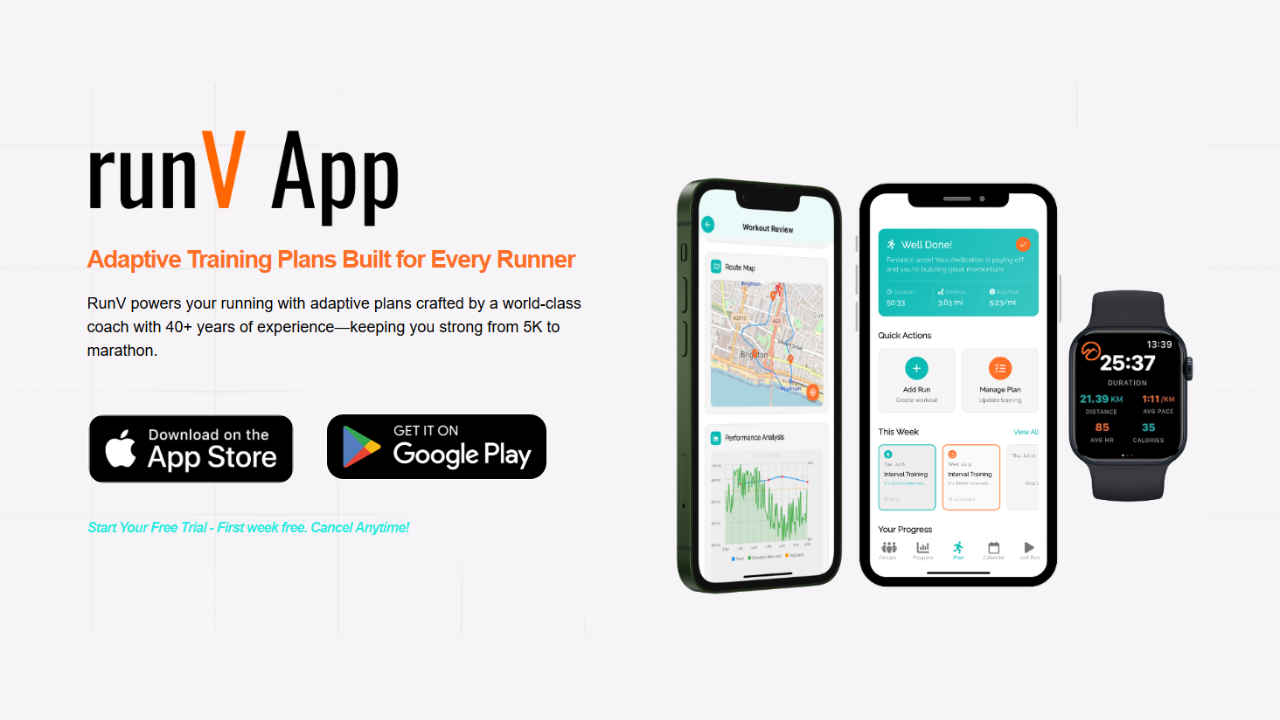
Newer devices and headphones can even help with safer, quieter running or better navigation on unfamiliar long‑run routes, as explored in pieces like How New Wearables Can Quiet Your Run and Boost Navigation (if you’re evaluating feature sets, pages like the app’s Features can be a helpful reference).
Replicate Race-Day Carry Strategy
During a few key long runs, carry fuel, bottles, or flasks exactly as you plan on race day. Practice opening gels at pace, drinking without stopping, and managing trash. This avoids clumsy surprises on crowded marathon courses.
9. Common Long-Run Mistakes That Kill a Sub 4 Hour Marathon
Going Too Fast on Every Long Run
This is the classic trap. If your “easy” long run pace is only 15–20 seconds slower than your target marathon pace, you’re racing every weekend. The result: chronic fatigue, stalled progress, and a higher risk of injury.
Remember: most long‑run miles should be 45–90 seconds slower than marathon pace, with specific blocks at MP built in intentionally.
Skipping Fuel on “Training Not Racing” Days
Some runners treat long runs as if fueling is cheating. In reality, skipping carbs on long runs trains you to suffer, not to race well. For a sub 4 hour marathon, practicing your nutrition strategy is as important as your splits.
Sudden Big Jumps in Distance
Jumping from 12 straight to 18 miles because you feel good is risky. Your joints, tendons, and connective tissue adapt more slowly than your cardiovascular system. Stick to gradual progression and cutback weeks.
Ignoring Terrain and Conditions
A hilly 16‑mile long run at a given pace is not the same as a flat one. Hot, humid conditions also inflate effort. Normalize expectations and adjust paces accordingly. Use effort and heart‑rate guidelines, not just watch pace.
Neglecting Recovery Days
If you stack a hard tempo or interval session right after a monster long run, you’re likely undermining both. To maintain an Hour Marathon: Proven Powerful training arc, you must protect the recovery that lets adaptation happen.
10. Sample 12-Week Long-Run Framework Towards Sub 4
This is a framework focused specifically on the long run. It assumes you’re also doing 2–3 other runs per week (easy, tempo, or intervals) according to your broader plan.
Weeks 1–3: Foundation and Aerobic Strength
- Week 1: 10 miles easy (MP + 60–90 sec)
- Week 2: 12 miles easy
- Week 3: 14 miles easy, final 1–2 miles slightly faster but still aerobic
Focus: Get comfortable being on your feet for 90–140 minutes, refine fueling basics, and confirm gear choices.
Week 4: Cutback and Light Quality
- Week 4: 10–11 miles easy, add 4 x 3 minutes near marathon pace in the second half
Focus: Recovery, maintaining rhythm, gentle introduction of MP into a long run.
Weeks 5–7: Introducing Structured Marathon Pace
- Week 5: 15 miles; last 3 miles at MP
- Week 6: 16 miles; last 4 miles at MP
- Week 7: 17 miles; middle 4 miles at MP + final 2 miles at MP
Focus: Strong finishes, pacing control, dialing in mid‑run fueling timing.
Week 8: Strategic Cutback
- Week 8: 13–14 miles easy, with 2 x 2 miles at marathon pace separated by easy running
Focus: Let accumulated fatigue drop while maintaining some race‑pace familiarity.
Week 9–10: Peak Simulation
- Week 9: 18 miles; last 5–6 miles at MP
- Week 10: 20 miles; 3 x 3–4 miles at MP with 1–2 miles easy between blocks
Focus: These are your big Hour Marathon: Proven Powerful simulation runs. Wear your race‑day shoes and clothing; practice breakfast and fueling exactly as planned.
Week 11–12: Taper Long Runs
- Week 11: 13–14 miles; 2 x 3 miles at MP
- Week 12: 8–10 miles comfortable with 4–6 x 3 minutes at MP
Focus: Arrive at race day with your legs fresh but your nervous system still familiar with marathon pace.
This framework can be slotted into many training schedules, including ones that progress from shorter distances or use adaptive workloads. If you prefer a guided structure for various distances, exploring collections like All Plans can give you a sense of how long‑run progression fits into full‑cycle programs.
11. Putting It All Together
A sub 4 hour marathon isn’t reserved for gifted runners; it’s the output of a clear, repeatable system. Long runs are the backbone of that system. When you:
- Progress distance methodically
- Layer in marathon‑pace segments intelligently
- Use long runs as fueling and gear experiments
- Leverage wearables for an Hour Marathon: Proven Powerful feedback loop
- Train mental skills alongside physical ones
- Recover as seriously as you train
- Refine your shoe and tech choices
you turn each long run into a targeted step toward that 3:5x finish time.
Start with where you are today—your current longest run, your realistic weekly mileage—and apply these seven secrets over your next 10–16 weeks. If you execute them consistently, race day will feel less like a leap of faith and more like the logical final chapter of a well‑written training story.
The clock doesn’t care how talented you are; it responds to the work and the structure behind it. Build that structure into your long runs, and sub 4 moves from hopeful dream to predictable outcome.