

Static Plans Push Runners into a dangerous grey zone more often than most people realize. On paper, a pre‑printed 12‑week or 16‑week training plan looks safe and sensible. In reality, thousands of runners end up injured, exhausted, or burned out because their life, stress, and recovery don’t match the rigid calendar. When Static Plans Push Runners into overtraining, it rarely happens overnight. It creeps in through small mismatches between what the plan demands and what your body can actually handle that day, week, or month.
This article breaks down why static plans push 7 types of runners into shocking overtraining, how to spot the warning signs early, and how to use modern running tech and smarter planning to keep progressing without breaking down.
Table of Contents
- What Is a Static Training Plan, Really?
- Why Static Plans Push Runners Toward Overtraining
- 7 Types of Runners Static Plans Push into Shocking Overtraining
- The Science of Overtraining: What’s Actually Going Wrong?
- Signals Your Static Plan Is Pushing You Too Far
- How Tech and Data Reveal When Static Plans Push Runners Too Hard
- Gear and Wearables That Help You Avoid Overtraining
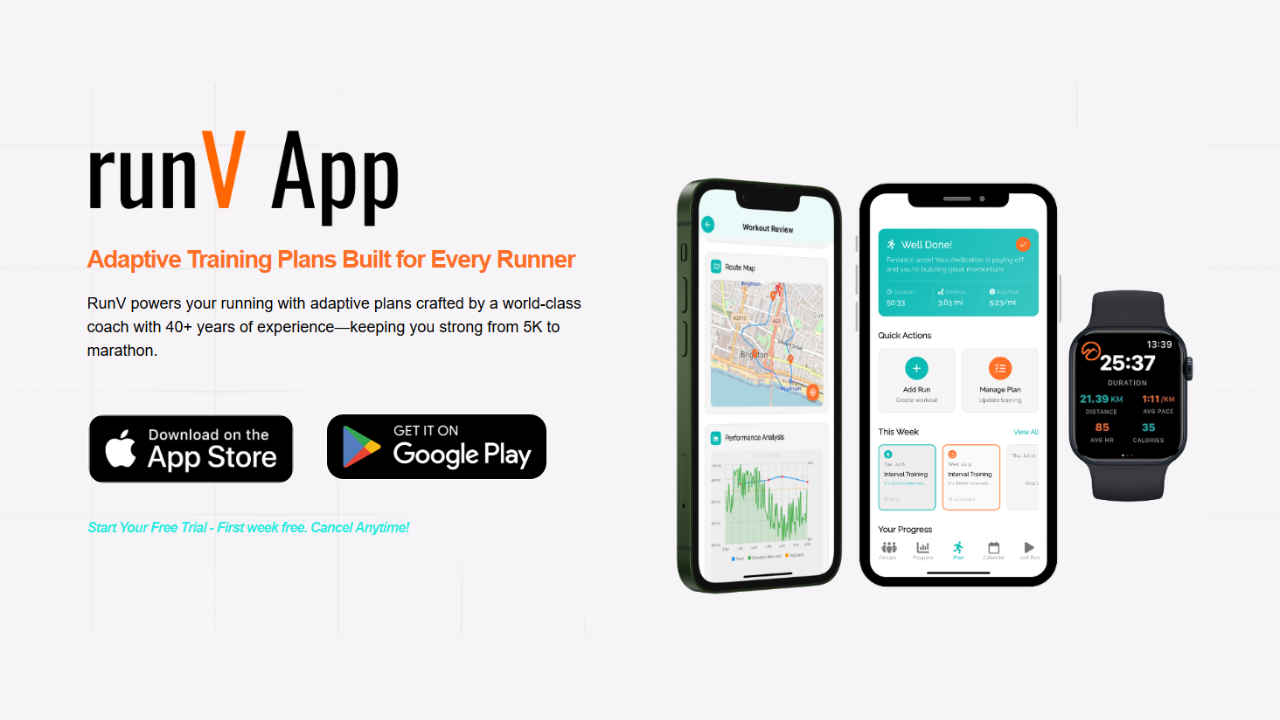
- Adaptive Planning: A Smarter Alternative to Static Calendars
- How to Modify a Static Plan Without Losing Fitness
- Key Takeaways and Quick FAQ
What Is a Static Training Plan, Really?
A static training plan is any plan that is fixed in advance and doesn’t automatically adapt to your current fitness, fatigue, life stress, or schedule. It tells you exactly what to do on each day, weeks or months ahead of time, with no built‑in feedback loop.
Examples include PDF plans from websites, printed calendars from magazines, or even apps that simply drip‑feed a pre‑written schedule without adjusting based on your actual data.
Static plans feel safe because they are clear. You don’t have to think: Monday tempo, Wednesday intervals, Sunday long run. But that rigidity is the same reason Static Plans Push Runners into trouble. Your body isn’t static. Your sleep, work stress, travel, hormones, and motivation can swing wildly, while the plan doesn’t budge.
Why Static Plans Push Runners Toward Overtraining
Overtraining usually isn’t about one brutal workout. It’s about an ongoing mismatch between load (what you ask your body to do) and capacity (what it’s ready and recovered enough to handle). When the mis‑match piles up week after week, you move from productive training into overtraining.
Static Plans Push Runners toward overtraining because they:
- Ignore unexpected life stress and lost sleep
- Assume linear progress in fitness and recovery
- Use fixed paces that may become too hard or too easy
- Don’t account for illness, injury niggles, or travel
- Encourage “plan worship” — finishing the schedule at any cost
In short, static plans treat you like a robot. When your body sends signals asking for change, the plan refuses to listen. The longer that conflict lasts, the more likely you are to slide into overtraining.
7 Types of Runners Static Plans Push Into Shocking Overtraining
1. The Time‑Crushed Runner
The time‑crushed runner tries to squeeze a marathon or half‑marathon plan into an already jammed schedule: kids, long work days, commuting, social obligations. The plan might call for five runs per week, including a long run, intervals, and a tempo session.
On paper, it’s fine. In real life, this runner is grabbing sleep in 5‑hour chunks and stress‑eating between meetings. Static Plans Push Runners like this toward overtraining because the plan doesn’t know they’ve been on their feet for 10 hours at work or flew red‑eye the night before.
Instead of reducing volume or intensity after a high‑stress day, the plan hits them with another “key workout.” The body adds that training stress on top of life stress, and the total load becomes unsustainable.
2. The Enthusiastic Beginner
New runners are especially vulnerable. They often pick an aggressive online plan designed for intermediate runners, not realizing the difference. The plan might jump from 10 to 20 miles per week in a few short weeks.
Their cardiovascular fitness can improve quickly, which feels exciting. But connective tissues — tendons, ligaments, bones — adapt slower. Static Plans Push Runners in this category toward overtraining because they ramp load faster than their tissues can safely adapt.
The result is classic beginner overtraining: shin splints, plantar fasciitis, IT band pain, or a constant low‑grade fatigue that drains enthusiasm. A better approach for these athletes is a conservative, adaptive build that responds to soreness, sleep quality, and how easy runs actually feel, rather than blindly following an aggressive calendar.
3. The High‑Achieving Perfectionist
Perfectionist runners are determined to “complete the plan” exactly as written. They hate missing workouts. If they get sick or miss a long run due to travel, they often “make it up” by doubling workouts or stacking hard days.
Static Plans Push Runners with this personality into overtraining because the plan becomes a rigid standard they feel obligated to meet, instead of a flexible guide. They add pressure and guilt to an already heavy physical load.
Over time, perfectionists ignore sore spots, elevated resting heart rate, and mood swings, because the plan says “10 x 400m today.” This mentality is powerful for consistency but dangerous when tied to a plan that doesn’t adjust for reality.
4. The Comeback Runner (Post‑Injury or Post‑Layoff)
Many runners return from injury, pregnancy, illness, or a long break by picking the same plan they used when they were fitter. They tell themselves, “I’ve done this plan before; it’ll be fine.” But their current body is not their past body.
Static Plans Push Runners making a comeback into overtraining because the workouts are calibrated to an old capacity. Paces and volumes that once felt manageable now require much more effort and recovery.
This group is especially at risk for re‑injury. The tissue that just healed is still vulnerable, and the cumulative fatigue of a static plan can push that tissue right back over its limit. Comeback runners need a plan that adjusts automatically to new thresholds, not old PRs.
5. The Data‑Blind Grinder
Some runners love grinding. They embrace “no pain, no gain,” often running too hard on easy days and refusing to back off even when numbers like resting HR or sleep quality scream for a break.
Static Plans Push Runners like this into overtraining because the plan’s only feedback loop is mileage and pace — not how that mileage is affecting their nervous system, hormones, or recovery markers.
Without tools that highlight their recovery status, grinders see only one knob to turn: more work. Combine a rigid plan with a “more is better” mindset, and you get a recipe for burnout, plateaued performance, or stress‑fracture‑level breakdown.
6. The Social Runner Trapped by Group Schedules
Social runners often anchor their week around group runs: Wednesday tempo, Saturday long run, maybe a Sunday “shakeout” that somehow morphs into a medium‑long effort. Then they layer a static plan on top.
Now they’re juggling two calendars: the printed plan and the real‑world group schedule. To “hit the plan” they might slide a hard workout to Friday, then still join a fast group long run Saturday. That creates back‑to‑back intense days, shrinking recovery windows.
Static Plans Push Runners in social settings toward overtraining because they don’t account for unplanned intensity — like “easy runs” that become competitive when friends speed up. If this dynamic interests you, you’ll see similar themes in Running Group Dynamics That Cause 7 Shocking Overtraining Mistakes, where group tendencies repeatedly override individual needs.
7. The Tech‑Curious but Plan‑Locked Runner
The last type is the runner who owns advanced wearables, GPS watches, and apps, but still trains off a static PDF or generic calendar. Their devices are collecting heart rate variability (HRV), sleep data, pace variations, and even blood oxygen — but the training plan ignores all of it.
Static Plans Push Runners in this tech‑curious group toward overtraining because they have the data to train smarter, yet follow a plan that treats every Tuesday as identical, regardless of what the watch says about recovery.
This mismatch is particularly glaring when tech reveals chronic under‑recovery days in a row, yet the runner feels obligated to complete a scheduled interval session. The plan never sees the red flags that the device has been surfacing all week.
The Science of Overtraining: What’s Actually Going Wrong?
Overtraining isn’t just “getting tired.” It’s a systemic imbalance where your nervous system, hormonal system, and musculoskeletal system cannot fully recover between training stimuli. Done right, training nudges your body slightly out of balance, then recovery restores and improves it. Overtraining happens when the nudge becomes a constant shove.
Key mechanisms include:
- Chronic elevated cortisol: your stress hormone stays high, disturbing sleep, hunger, and mood.
- Autonomic imbalance: sympathetic (“fight or flight”) dominates, parasympathetic (“rest and digest”) can’t catch up.
- Muscle and tendon micro‑damage outpacing repair: small tears accumulate faster than they heal.
- Glycogen depletion: your energy stores never fully refill, making every run feel harder.
Because Static Plans Push Runners to maintain the same schedule regardless of recovery status, they raise the odds that you’ll sit in this stressed state for weeks. You might still be able to complete workouts, but your performance quality, mood, and long‑term health quietly degrade.
Signals Your Static Plan Is Pushing You Too Far
Overtraining exists on a spectrum. You don’t go from fresh to broken overnight. Watch for these progressive warning signs that your static plan is no longer a good fit. (Training plan not static)
1. Persistent Fatigue Beyond Normal Post‑Workout Tiredness
Tired after a hard workout is normal. But if you’re dragging for days, needing naps, or feeling heavy‑legged on easy runs that used to feel effortless, your recovery is lagging behind your training load.
Static Plans Push Runners to treat this as “just needing to toughen up,” especially when the calendar calls a session “easy.” But your perception of effort matters more than the label. If everything feels like a grind, the plan is out of sync with your current capacity.
2. Declining Performance Despite Equal or Increased Effort
If you’re hitting the same workouts week after week but your pace is slowing or heart rate is higher for the same pace, that’s a classic overreaching signal. You’re working harder to achieve less.
Static plans rarely tell you what to do in this scenario. They’ve assumed fitness gain, not fitness loss. If your “tempo” pace is now your old easy pace, but the plan still instructs “4 miles at tempo,” it’s effectively demanding a disproportionate intensity relative to your current state.
3. Resting Heart Rate and Sleep Disruptions
Morning resting heart rate (RHR) is a simple but powerful indicator. A consistent rise of 5–10 bpm above your personal baseline for several days can indicate mounting fatigue or illness.
Couple that with trouble falling asleep, shallow sleep, or waking up not refreshed, and you’re very likely pushing too hard. When Static Plans Push Runners to ignore these physiological signs, small problems often evolve into full‑blown burnout.
4. Mood Changes and Motivation Swings
Irritability, anxiety, loss of motivation, or feeling unusually down are under‑discussed symptoms of overtraining. Your brain is part of your body’s recovery system. If your mood is tanking while mileage stays high, something is off.
Static plans rarely say, “If you feel unusually flat or stressed, cut this workout in half.” Yet for many runners, hearing that kind of permission is exactly what would prevent overtraining from taking root.
5. Nagging Niggles That Never Go Away
When small pains in your shins, Achilles, or knees linger for longer than a week, your load is probably too high for what those tissues can handle. Repeating the same structure week after week without adjustments leaves no room for these structures to calm down.
Static Plans Push Runners into injury here by prescribing “standard” progressions that don’t consider past injury history or current soreness. The calendar doesn’t know that your left Achilles was sore after your last two long runs — but you do.
How Tech and Data Reveal When Static Plans Push Runners Too Hard
The good news: we now have powerful, accessible tools that can flag overtraining risks long before your body breaks down. The bad news: many runners collect the data but don’t use it to guide daily decisions.
Heart Rate, HRV, and Effort‑Based Training
Modern watches can track heart rate continuously and, in some cases, heart rate variability (HRV). HRV gives insight into your nervous system balance; lower than usual HRV often correlates with higher stress or incomplete recovery.
When Static Plans Push Runners to complete a high‑intensity session on a day when HRV is suppressed and resting HR is elevated, the data is essentially screaming, “Back off.” Adaptive systems would shift the hard day, but static plans stay silent.
GPS, Pace Variability, and Honest Easy Runs
GPS pace plus heart rate tells you whether your “easy” runs are truly easy. If your easy pace is creeping closer to your tempo pace, or HR for a given pace is climbing, that’s a sign to reassess training load.
Some AI‑powered running apps now analyze this kind of data in real time, adjusting future workouts based on how today actually went. If you’re unsure how reliable these tools are, you might find Are AI Running Apps Really Accurate? 7 Proven Shocking Facts useful; it digs into how modern apps interpret data and where they still fall short.
Sleep and Recovery Metrics
Wearables that track sleep stages, sleep consistency, and nightly movement can reveal chronic under‑recovery. If your plan says, “Back‑to‑back hard days,” but your last three nights show short, fragmented sleep, you’re adding stress on top of stress.
Static Plans Push Runners without referencing this recovery context. Smarter systems would downgrade or modify sessions based on poor sleep, not just day‑of‑the‑week logic.
Gear and Wearables That Help You Avoid Overtraining
Avoiding overtraining isn’t only about doing less; it’s about doing the right work at the right time. Certain gear can help you match training stress to your actual condition.
1. GPS Watches with Training Load and Recovery Metrics
Many GPS watches estimate training load and recommended recovery time based on heart rate, pace, and duration. While not perfect, they’re useful trend indicators.
If your watch continuously recommends longer recovery while your static plan insists on “another quality session,” pay attention to the watch. It’s at least trying to personalize recovery to your actual data — something your static PDF can never do.
2. Heart Rate Straps and Optical Sensors
A chest strap or accurate optical sensor improves the quality of your HR data, making effort‑based training and recovery monitoring more reliable. For runners prone to overtraining, consistently monitoring easy‑run HR is one of the simplest, highest‑value habits available.
3. Smart Rings and Advanced Sleep Trackers
Dedicated sleep devices can deepen your understanding of how non‑running stressors affect recovery. Late‑night screens, alcohol, travel, and irregular bedtimes all leave fingerprints in your sleep metrics.
When Static Plans Push Runners through heavy weeks during periods of poor sleep, it’s usually because the plan doesn’t see this layer of stress. Sleep tech can nudge you to tweak the plan — especially for key sessions like long runs or intervals.
4. Screenless or Minimalist Wearables
Some runners find constant data distracting. Screenless bands and minimalist devices are emerging to offer recovery and load insights without pressuring you mid‑run.
If you’re curious about where that trend is heading, Are Screenless Fitness Bands the Future of Smarter Running? explores how low‑friction tech can support healthier training behaviors, including better respect for recovery, without turning every run into a data obsession. (Flexible training plans)
How Adaptive Plans Reduce the Risk When Static Plans Push Runners Too Hard
Contrast static plans with adaptive systems. An adaptive plan is any system that changes your upcoming training based on what you’ve actually done and how your body responded.
Core features of adaptive planning include:
- Dynamic volume: total weekly mileage adjusts up or down.
- Flexible intensity: workouts scale based on recent performance and fatigue.
- Recovery‑first logic: hard days move or turn into easy days when recovery markers are poor.
- Personalization: plans incorporate age, experience, injury history, and goals.
When Static Plans Push Runners into situations where today’s workout doesn’t fit their condition, adaptive systems say, “Not today; here’s an adjusted version.” That pivot is often the difference between productive stress and accumulating damage.
If you’re looking for a deeper dive into how adaptive planning compares with traditional methods, the article How Adaptive Plans Reduce 5 Shocking Risks, Proven Effective unpacks exactly how these systems protect against overuse, burnout, and plateauing.
How to Modify a Static Plan Without Losing Fitness
Many runners still like the simplicity of a static plan. You don’t have to abandon it completely to avoid overtraining. You do need to give yourself explicit permission to adjust.
1. Treat the Plan as a Framework, Not a Contract
Think of your static plan as a menu of workouts arranged in a sensible order, not a legal document. The goal is effective training, not perfect adherence.
If Static Plans Push Runners into overtraining because they try to “make up” missed sessions, write this rule on your calendar: “If I miss it, I skip it. I do not double it.” Let go of the guilt attached to schedule disruptions.
2. Build Automatic Flex Days
Instead of locking seven days of training each week, schedule one or two flex days — placeholders that can be rest, cross‑training, or an easy jog depending on how you feel.
Use objective and subjective checks: resting HR, sleep, mood, and soreness. If two or more are off, downgrade a planned hard session to easy, or take full rest. Static Plans Push Runners too far when every day is “pre‑spent” with no buffer.
3. Adjust Intensity More Often Than Volume
If you feel borderline — not great, not terrible — keep the structure of your week but reduce intensity. Turn intervals into steady state, or tempo into moderate aerobic. You’ll maintain much of the training effect with far less stress.
This is particularly crucial during heavy life weeks: big work projects, family events, or travel. Keep moving if you want, but move easier and shorter. Don’t let the static calendar talk you into a hero workout when your life already feels like one.
4. Use a Simple 3‑Week Load, 1‑Week Deload Rhythm
Even if your plan doesn’t include it, you can overlay your own cycle: three weeks of building, then one lighter week with reduced volume and intensity.
For example, cut total mileage by 20–30% on deload weeks and remove one hard session. Many static plans already hint at this, but they often under‑cut recovery. When Static Plans Push Runners continuously upward in volume and intensity, inserting deload weeks can be a powerful safety valve.
5. Update Paces Regularly, Not Just Once
Fixed pace zones based on a single race or time trial are a classic static‑plan trap. Your fitness changes, but your pace targets stay frozen. Retest or recalibrate every 4–6 weeks.
If your recent workouts feel too easy at prescribed paces, gently speed up. If they feel brutal, slow down. The goal is to keep effort aligned with your current physiology, not your ego or last season’s PRs.
6. Listen to Niggles as Early Warnings
When a specific area hurts every time you run, take it as a signal that current load is too high or something in your mechanics is off. Shorten or skip runs, and if necessary seek professional advice. Modifying a static plan for a week is far better than sitting out for months.
For complex races like marathons, learning how to adjust is its own skill. For more structured guidance, resources such as “How to Modify a Marathon Plan: 7 Proven, Powerful Steps” can help you systematically change a plan instead of guessing week to week.
Key Takeaways and Quick FAQ
Key Takeaways
- Static Plans Push Runners into shocking overtraining when they demand fixed workloads regardless of daily recovery, life stress, or changing fitness.
- Seven runner types are particularly at risk: time‑crushed, enthusiastic beginners, perfectionists, comeback runners, grinders, social runners, and tech‑curious but plan‑locked athletes.
- Warning signs include persistent fatigue, declining performance, elevated resting HR, mood changes, sleep disruptions, and recurring niggles.
- Modern wearables and apps can highlight when your real‑world readiness doesn’t match your static schedule — if you’re willing to listen.
- Adaptive planning and simple self‑modifications (flex days, reduced intensity, deload weeks) dramatically lower overtraining risk without sacrificing performance.
FAQ: When Static Plans Push Runners Too Far
Q: Should I throw away my static plan completely?
A: Not necessarily. Use it as a flexible framework. Keep the general progression, but adjust paces, move sessions, insert extra recovery, and skip instead of doubling when you miss workouts.
Q: How do I know if I’m just tired or actually overtraining?
A: Look at patterns. A single sluggish day is normal. Overtraining is multi‑day or multi‑week: elevated resting HR, poor sleep, declining performance, mood dips, and constant soreness. When several of those stack up, you’re no longer just “a bit tired.”
Q: Can technology really prevent overtraining?
A: Tech can’t stop you from making bad decisions, but it can surface early warning signals you might ignore. RHR trends, HRV, sleep quality, and workout load scores are all evidence. The key is adjusting your plan based on those insights, not merely collecting them.
Q: How many hard sessions per week are safe?
A: For most non‑elite runners, 2–3 hard sessions (intervals, tempo, race‑pace, or long run with intensity) per week is plenty. The rest should be genuinely easy or rest. Static Plans Push Runners into trouble when that balance tilts toward frequent high‑intensity days without adequate recovery.
Q: What if my plan doesn’t mention rest days?
A: Add them. At least one full rest day per week is a safe baseline for most. If life stress is high, add more. Rest days are part of training, not a deviation from it.
Q: Who can help me adjust if I’m not sure what to change?
A: A coach, experienced running friend, or an adaptive training platform that incorporates your real‑time data can all help. If you’re using a specific platform or app and need clarification on how to tweak things, their Support resources are usually a good first stop. Some also provide detailed FAQs that address how to handle illness, travel, and schedule changes.
Static plans aren’t evil, but they are blunt tools. When Static Plans Push Runners into overtraining, it’s usually because the runner treats the calendar as law instead of a suggestion. Your body is the real authority. The more you allow real‑time feedback — from your sensations and from your tech — to shape what you do tomorrow, the more likely you are to keep training, improving, and enjoying running for years instead of just one race cycle.