Gear & tech 5 min
Do you need a running watch, or is a phone enough?

A smartphone can absolutely track your runs and get you started, but a running watch offers advantages in GPS accuracy, battery longevity and real-time data that matter more as your training becomes serious. The choice depends on your goals, budget and how you use data.
What a phone can actually do
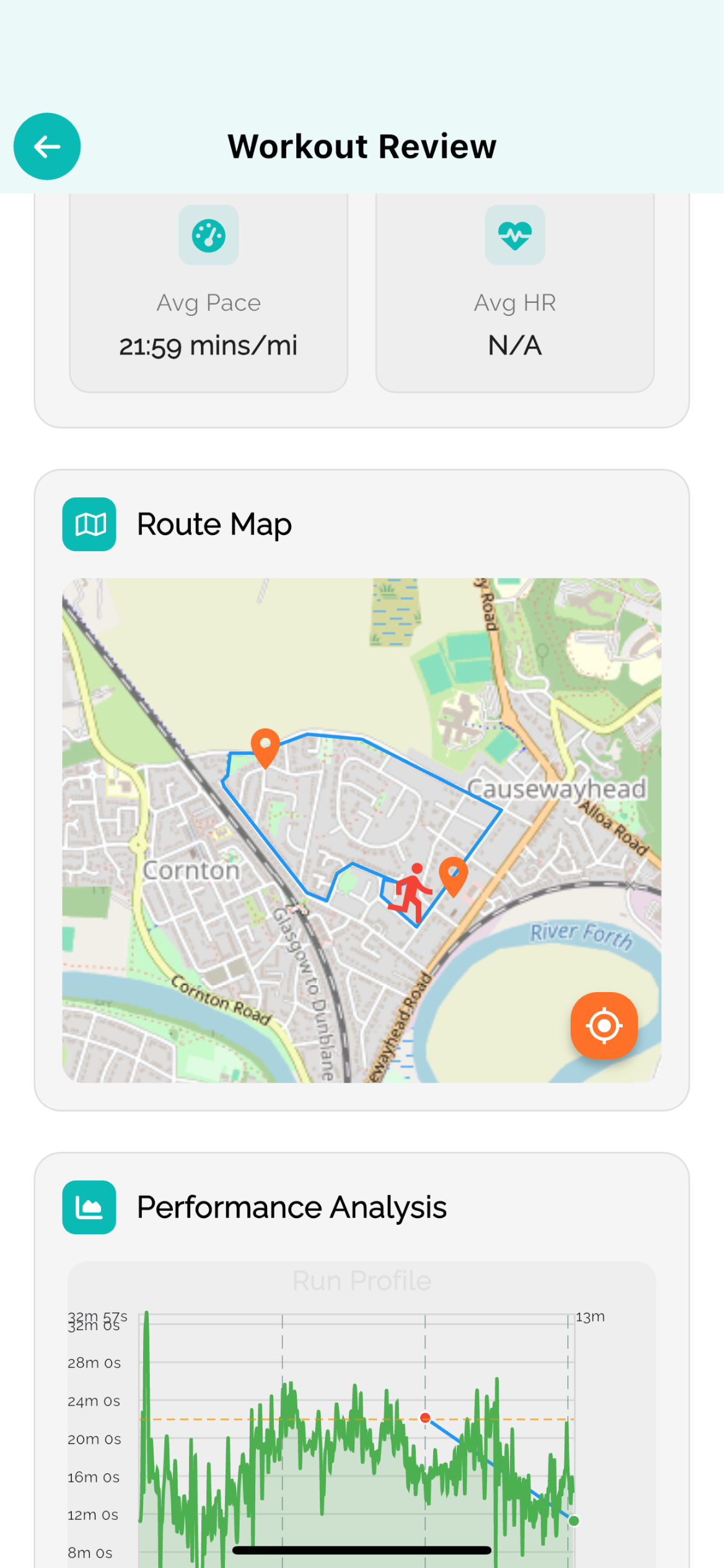
Your smartphone has everything needed to record distance, pace and time via apps like Strava, Apple Health or Google Fit. It captures GPS data, stores your history and syncs to cloud platforms. For casual 5K runs or park loops, this is genuinely sufficient.
The friction comes later: your phone drains faster, GPS locks take longer in poor signal, and checking your screen mid-run breaks rhythm. Wrist-mounted data feels more natural.
Where a running watch wins
- Longer battery life: watches run 5–14 days per charge; phones last hours with GPS active
- Faster GPS lock: dedicated chipsets find satellites quicker, especially in urban canyons
- Always-on metrics: heart rate, cadence and pace visible without reaching for your pocket
- Water resistance: proper IP rating for rain, puddles and sweat without worry
- Lighter, less bulky: wrist-worn versus pocket or armband
Accuracy: watch versus phone
Modern running watches from Garmin, Apple and Coros use multi-band GPS (L1 and L5 frequencies) for sub-5-metre accuracy. Phones typically use L1 only, which is less precise in dense tree cover or between buildings. For marathon pacing or track work, a watch's margin matters; for easy runs, the difference is marginal.
The cost question
Decent running watches start around £150–200; premium models with maps and training features reach £400–600. If you already own a smartphone, the outlay feels unnecessary early on. But if you're running 15+ miles weekly, spreading cost over 3–5 years brings the per-session price low.
Which runners should pick a watch
- Training for a specific race with pace targets
- Logging 25+ miles per week and want reliable metrics
- Running in areas with poor mobile signal
- Prefer not carrying a phone or armband
- Want heart-rate or power data without your phone
Hybrid approach: phone and watch together
Many runners keep both: use the watch for real-time data and to preserve phone battery, then sync to a coaching app or platform after the run. This maximises convenience without forcing an either-or choice.
Data-driven training and your gear choice
Whether you use a phone, watch or both, the real value lies in consistent logging and reflection. RunV and similar coaching platforms thrive on clean, regular data—distance, pace, heart rate and effort perception. Your gear matters less than the habit of recording truthfully and acting on patterns. A phone-only runner who logs every session will make faster gains than a watch owner who skips the occasional run. Pick whichever tool you'll actually use.
Verdict
Start with your phone if you're new to running. Upgrade to a watch once you've built consistency and know the sport suits you. Neither choice is wrong; the best device is the one you wear every time.
FAQ
- Can I use my phone instead of a watch for all my runs?
- Yes, for training, you can use your phone alone. Apps track distance, pace and time perfectly well. The trade-offs are shorter battery life, slower GPS lock and less convenient real-time data on your wrist. Most runners find this fine for short or easy runs but frustrating for longer efforts.
- Do running watches work without a phone?
- Yes. Watches have built-in GPS and store data locally. You can sync to your phone or cloud later via Wi-Fi. Some features (notifications, music streaming) need a phone nearby, but tracking your run does not.
- Is a running watch worth £300?
- If you run 20+ miles weekly, train for races or want reliable metrics in all weather, yes. For occasional 3K jogs, no. Cost-per-use is the metric: £300 over 400 runs is 75p per session—reasonable for serious runners, wasteful for hobbyists.
Train smarter
RunV turns this thinking into your plan — adaptive coaching that rebuilds after every run.
Keep reading