Training 7 min
Stepping up from marathon to ultramarathon

The jump from marathon to ultramarathon is less about speed and more about durability, nutrition and mental resilience. Your marathon fitness gives you a solid foundation, but ultramarathon training demands different priorities: longer time on feet, strategic fuelling, and a shift in how you think about effort and pacing.
Why marathon fitness isn't enough for ultramarathon
A marathon prepares your aerobic base and teaches you how to hold a steady effort for 2.5 to 4 hours. An ultramarathon—whether 50 km, 100 km or 100 miles—demands something different: your ability to move steadily for 8, 12 or even 24+ hours, often while fatigued, on varied terrain and through changing conditions. Your legs will be tired. Your glycogen stores will be depleted. Your feet will hurt. Marathon training rarely simulates this.
How to build ultramarathon-specific endurance
Start by extending your longest run gradually. Instead of peaking at 32–42 km (a marathon), aim for 50–65 km depending on your target distance. Add one long run every 2–3 weeks, increasing by no more than 10 per cent per outing. The pace should feel conversational and sustainable—usually 60–70 per cent of your 5 km race pace. Back-to-back long runs on consecutive days also build resilience better than a single massive effort.
- Progress your longest run by 5–8 km every 2–3 weeks
- Run back-to-back long runs once monthly to simulate cumulative fatigue
- Include one shorter easy run mid-week to maintain aerobic base
- Prioritise consistency over speed; steady volume is your friend
Nutrition and fuelling strategy
This is where ultramarathon training diverges sharply from marathon training. In a marathon, you refuel every 8–10 km with gels or sports drinks. In an ultra, you need to eat real food and practise it during training. Your gut must tolerate solid fuel—energy bars, bananas, nuts, sandwiches, soup—because energy drinks alone won't sustain you for hours and hours.
Test your fuelling plan extensively on long training runs. Aim to consume 200–300 calories per hour after the first few hours, with enough fluid to stay hydrated without sloshing. Every runner's tolerance differs; what works at mile 10 might not work at mile 50.
Pacing and effort management
Marathon runners often chase a target pace from start to finish. Ultramarathoners must let go of pace completely. Instead, monitor effort and heart rate. Run the first half conservatively—aim for 50–60 per cent of your max heart rate—so you have energy reserves for the second half when your legs are heavy and your motivation dips. Expect to slow significantly in the final third.
Mental preparation and race strategy
- Break the race into shorter segments. Don't think about 100 km; think about reaching the next aid station.
- Develop a list of strategies to manage discomfort: music, mantras, pace changes, or walking breaks.
- Practise running tired. Long training runs teach your mind to settle into discomfort.
- Plan your kit and drop bags in advance to reduce decision-making on race day when your brain is foggy.
Training timeline: 16–20 weeks
Allow 4–5 months to build ultramarathon-specific fitness. Start with 4–5 runs per week, including one speed session (tempo or intervals) and one long run. Gradually reduce speed work in the final 8 weeks and focus almost entirely on volume and easy running. Include 1–2 weeks of reduced mileage every 3–4 weeks to allow recovery and adaptation.
Using data and feedback to refine your approach
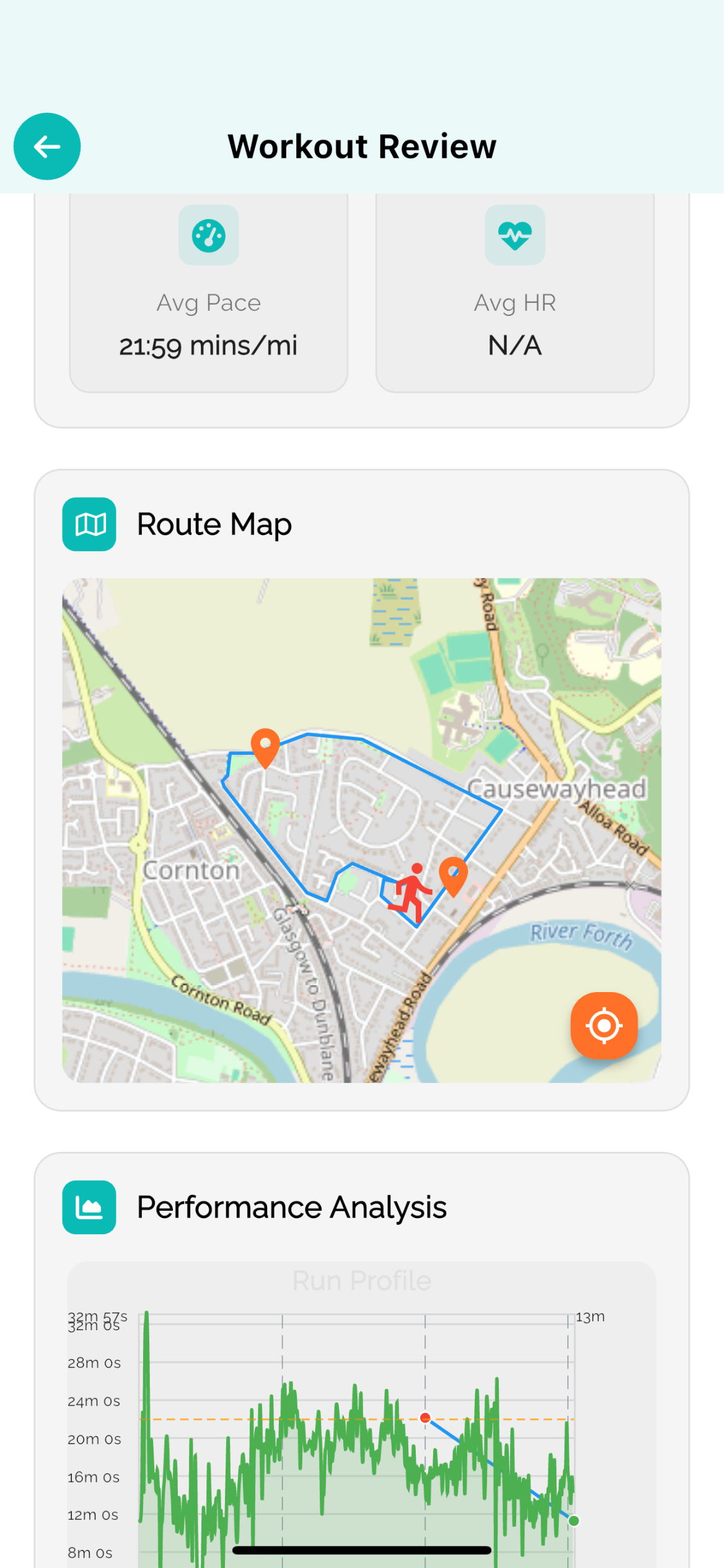
Unlike marathon running, ultramarathon training benefits from close monitoring of how your body responds to extended efforts. Track not just distance and pace, but resting heart rate, sleep quality, and how you feel 48 hours after long runs. Apps like RunV help you spot patterns: if your resting heart rate climbs or you're persistently sluggish mid-week, you're accumulating fatigue and need easier days. Conversely, if long runs feel controlled and your recovery is fast, you can extend your next effort or add volume sooner. This feedback loop prevents burnout and injury, and ensures your training adapts to your individual physiology rather than following a rigid schedule.
FAQ
- How much time do I need to train for an ultramarathon?
- Most runners need 16–20 weeks of structured training after completing a marathon. If you're relatively new to running, add another 4–8 weeks. Consistency matters more than total volume; missing key long runs sets you back more than averaging fewer miles per week.
- Can I run an ultramarathon without a prior marathon?
- Technically yes, but it's not wise. A marathon teaches you about pacing, fuelling, and mental toughness over a sustained effort. Start with a marathon first; it de-risks your transition to ultramarathon racing and gives you genuine data about your strengths and weaknesses.
- How fast should my long training runs be?
- Slow. Aim for 60–75 per cent of your 5 km race pace, or a heart rate of 60–70 per cent of max. Speed is not the goal in ultramarathon training; durability is. A fast long run burns you out and increases injury risk without building the resilience you need.
Train smarter
RunV turns this thinking into your plan — adaptive coaching that rebuilds after every run.
Keep reading